
Sump Pump Installation and Maintenance: Essential Tips for Homeowners
A sump pump is one of the unsung heroes of a well-protected home. It quietly works in the background, ensuring your basement or crawl space stays dry, even during heavy rain or snowmelt. However, many homeowners overlook the importance of proper sump pump installation and maintenance, only realizing its value when water starts seeping into their home. In this guide, we’ll walk you through essential tips for installing and maintaining your sump pump so you can safeguard your home against water damage.
Understanding the Role of a Sump Pump
Before diving into installation and maintenance tips, it’s important to understand what a sump pump does. Essentially, a sump pump is a device installed in the lowest part of your basement or crawl space. Its main function is to pump out excess water that collects in a sump basin, preventing flooding, mold growth, and structural damage.
A typical sump pump system includes:
- Sump Basin: A pit that collects water from your basement or surrounding soil.
- Pump Unit: The mechanical component that pumps water out of the basin.
- Discharge Pipe: Carries water away from your home’s foundation to a safe drainage area.
Having a functional sump pump is crucial, especially if your home is in a flood-prone area or has a high water table. Without one, even minor water accumulation can lead to significant damage over time.
Choosing the Right Sump Pump
The first step in sump pump installation is selecting the right pump for your home. There are two main types of sump pumps:
- Submersible Sump Pumps – These are installed directly in the sump basin and operate underwater. They are quieter and more aesthetically pleasing since they are hidden from view.
- Pedestal Sump Pumps – These have the motor mounted above the sump basin. While more visible and slightly noisier, they tend to last longer and are easier to service.
When choosing a pump, consider factors like:
- Pump capacity (measured in gallons per hour)
- Power source (electric vs. battery backup)
- Home size and basement water volume
A reliable pump ensures that water is efficiently removed from your basement, keeping your home safe from moisture-related issues.
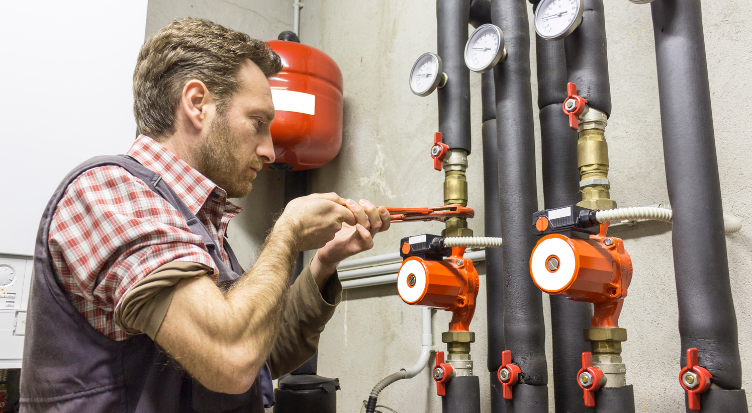
Essential Steps for Sump Pump Installation
Proper sump pump installation is crucial for optimal performance. Here’s a step-by-step guide to help homeowners understand the process:
- Select the Sump Basin Location – Choose the lowest point in your basement or crawl space for the sump basin. Ensure it’s away from walls and other obstacles.
- Excavate the Basin Area – Dig a hole that can accommodate the sump basin. It should be deep enough so that the pump sits below the floor level.
- Install the Sump Basin – Place the basin in the hole and backfill around it with gravel. The gravel helps with drainage and prevents soil from clogging the pump.
- Position the Pump – Place the sump pump inside the basin, ensuring it sits level at the bottom.
- Connect the Discharge Pipe – Attach a discharge pipe that directs water away from the foundation. Make sure the outlet is far enough to prevent water from flowing back toward your home.
- Test the Pump – Pour water into the basin to ensure the pump activates automatically and pumps water effectively.
While some homeowners can handle installation themselves, hiring a professional ensures the system is installed correctly and minimizes the risk of future problems. Lawn and Leaf Solutions can provide expert sump pump installation services to give homeowners peace of mind.
Maintaining Your Sump Pump
Even the best-installed sump pump requires regular maintenance to function properly. Here are some essential maintenance tips:
1. Inspect the Pump Regularly
Check your sump pump at least twice a year, preferably in spring and fall. Look for signs of wear, rust, or corrosion, and ensure the pump is upright and stable in the basin.
2. Test the Pump
Pour a bucket of water into the sump basin to ensure the pump activates and pumps water efficiently. The float switch should trigger the pump automatically. If it doesn’t, you may need to troubleshoot the float or motor.
3. Clean the Sump Basin
Remove debris, dirt, and sediment that can accumulate in the basin over time. A clogged basin can cause the pump to overwork or fail.
4. Check the Discharge Line
Ensure the discharge pipe is free from obstructions and directs water away from your home. Inspect for leaks, cracks, or frozen pipes during colder months.
5. Test the Battery Backup
If your sump pump has a battery backup, regularly test it to ensure it functions during power outages. Replace the battery according to the manufacturer’s instructions.
6. Schedule Professional Inspections
Even with regular home checks, a professional can identify potential problems early and extend the life of your sump pump.
Signs Your Sump Pump Needs Attention
Being aware of warning signs can prevent costly water damage. Watch for:
- Unusual noises during operation
- The pump running constantly or not running at all
- Visible corrosion or rust
- Water backup in the basement despite a running pump
Early detection allows for timely repairs or replacements, ensuring your basement remains dry.
Benefits of Proper Sump Pump Installation and Maintenance
Investing time and effort in sump pump installation and maintenance has several benefits:
- Protects Your Home: Prevents basement flooding and structural damage.
- Reduces Mold and Mildew: Keeps moisture levels low, reducing health risks.
- Increases Home Value: A well-maintained sump pump system is attractive to potential buyers.
- Peace of Mind: Knowing your home is protected from water damage allows you to relax during storms.
Final Thoughts
A sump pump is a small but powerful tool for homeowners. Proper sump pump installation combined with regular maintenance can save you from costly repairs and headaches in the future. By choosing the right pump, installing it correctly, and keeping up with routine checks, you ensure your home stays dry and safe, no matter how heavy the rain or snow.
Whether you’re installing a sump pump for the first time or maintaining an existing system, following these essential tips will help your pump perform efficiently for years to come. For professional guidance and reliable lawn services, Lawn and Leaf Solutions is here to help homeowners safeguard their homes against water damage.