
What to Expect for Foundation Drainage Installation
Installing a foundation drainage system is one of the most critical steps in protecting your home from water damage, mold, and structural instability. Whether you’re building a new home or fixing existing drainage issues, understanding what to expect during the foundation drainage installation process can help you make informed decisions and avoid costly mistakes.
In this guide, we’ll walk you through the steps, benefits, and considerations involved in installing foundation drainage systems, along with expert insights on selecting the right drainage company and maintenance tips to keep your system running smoothly.
Why Foundation Drainage Installation Is Important
Foundation drainage installation is essential for preventing water accumulation around your home’s foundation. Without a proper foundation drainage solution, water can seep into your basement, cause mold growth, and weaken the structural integrity of your property.
Most drainage issues stem from poor soil grading, clogged gutters, or outdated systems. A professionally installed system diverts water away from your foundation, extending the life of your structure and protecting your investment.
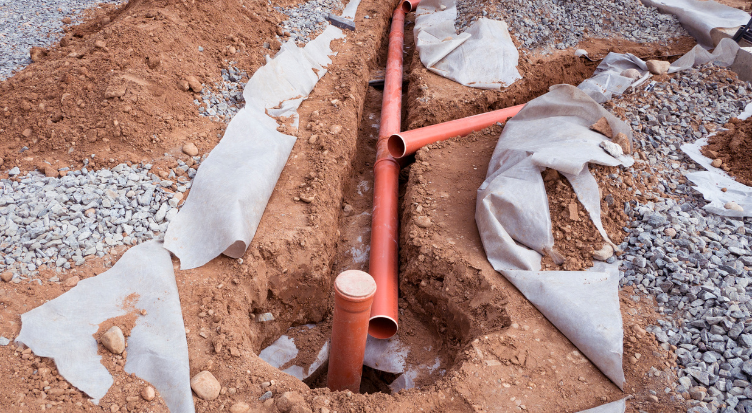
Types of Foundation Drainage Systems
There are several foundation drainage systems available, depending on your property’s needs:
1. Exterior Drainage Systems
These are installed outside the foundation walls and are designed to intercept groundwater before it enters your home. It typically includes:
- French drains
- Drainage tiles
- Gravel and perforated piping
2. Interior Drainage Systems
Interior systems are installed inside your basement or crawlspace to manage water that has already entered. These often include:
- Interior French drains
- Sump pumps
- Vapor barriers
3. Surface Drainage Solutions
These systems help direct water away from the foundation using swales, catch basins, or regrading the lawn.
Choosing the right foundation drainage solution depends on factors like soil type, water table level, and the construction of your home.
What to Expect During Foundation Drainage Installation
Working with a reputable drainage company ensures your system is installed properly. Here’s a step-by-step overview of the process:
1. Site Inspection and Assessment
An expert team will inspect your property to assess drainage issues, check soil conditions, and determine the best type of system for your foundation.
2. Planning the Drainage Layout
Once the site is assessed, a custom drainage layout is designed. This includes deciding on drain placement, piping materials, and where the water will be discharged.
3. Excavation and Trenching
Technicians will dig trenches along the foundation or inside the basement (depending on the system) to install pipes and gravel layers. This is often the most time-consuming part of the process.
4. Installing the Drainage System
A perforated pipe is laid within a gravel bed and covered with a filter fabric to prevent clogging. In interior systems, sump pumps may be added to actively remove water from the basement.
5. Backfilling and Restoration
Once installation is complete, the trenches are backfilled, and the landscape is restored to its original state.
6. Testing and Maintenance Tips
Before wrapping up, the drainage company tests the system for functionality and may provide maintenance advice to ensure long-term performance.
Common Challenges with Foundation Drainage Systems
While foundation drainage systems are highly effective, certain challenges may arise:
- Clogged pipes from debris or sediment buildup
- Poor installation leading to water seepage or system failure
- Inadequate maintenance shortening the system’s lifespan
- Improper slope or grading preventing water from flowing correctly
Choosing a qualified drainage company can prevent these issues and ensure your system works efficiently for years.
How to Choose the Right Drainage Company
The success of your foundation drainage installation heavily depends on the expertise of the contractor. Here are some tips for selecting the right drainage company:
- Experience: Look for companies with a solid track record in foundation drainage solutions.
- Reviews: Check online reviews and testimonials.
- Licensing: Ensure they are licensed, bonded, and insured.
- Guarantees: Ask about warranties or guarantees on the installation.
- Transparency: Choose a company that provides clear estimates and timelines.
Maintenance Tips for Your Foundation Drainage System
To extend the life of your foundation drainage system, follow these maintenance tips:
- Clean gutters and downspouts regularly
- Ensure proper yard grading
- Check the sump pump (if installed) every 3–6 months
- Inspect for signs of water pooling near your foundation
- Have the system professionally inspected every few years
Conclusion
A well-installed foundation drainage system is essential for safeguarding your home’s structural health. Knowing what to expect during foundation drainage installation helps you avoid surprises and ensures you choose the right foundation drainage solutions for your property. If you’re considering a professional drainage system, trust a reliable and experienced team to get it done right.
For expert advice and services, visit Lawn & Leaf Solutions your trusted drainage company for comprehensive solutions that last.