
Maintaining a healthy and vibrant lawn goes beyond regular mowing and watering. One often overlooked aspect of lawn care is ensuring proper drainage. Without an effective drainage system, water can accumulate, leading to problems such as soil erosion, waterlogging, and even damage to your home’s foundation. In this article, we will explore how foundation drainage systems work, the types available, and the benefits they provide. Understanding these systems can help you maintain the health and beauty of your landscape while safeguarding your home from potential water damage.
Understanding Foundation Drainage Systems
Foundation drainage systems are designed to manage excess water on your property, ensuring it is directed away from your lawn and home. These systems help prevent water from pooling on the surface, which can lead to a host of problems. By effectively managing water flow, these systems protect both your landscape and the structural integrity of your home. Without proper drainage, not only is the aesthetic appeal of your lawn compromised, but the very foundation of your home could be at risk.
Importance of Proper Drainage
Before diving into how these systems work, it’s essential to understand why proper drainage is crucial. Excess water can cause numerous issues, including:
- Soil Erosion: Water flowing over the surface can erode the topsoil, affecting plant growth and stability. This erosion can strip away vital nutrients needed for a healthy lawn, leaving behind barren patches that are difficult to restore.
- Waterlogging: Stagnant water can suffocate plant roots and create an inhospitable environment for grass and other vegetation. Over time, this can lead to plant death and promote the growth of weeds and fungi, which thrive in wet conditions.
- Foundation Damage: Water accumulation near the foundation of your home can lead to cracks and structural damage over time. This damage can be costly to repair and may compromise the safety and value of your property.
By addressing these issues, foundation drainage systems ensure that your property remains healthy and structurally sound. Proper drainage not only protects your lawn and garden but also enhances the longevity and safety of your home.
Types of Foundation Drainage Systems
There are several types of drainage systems available, each with its unique method of managing water flow. Let’s explore the most common types:
Surface Drainage Systems
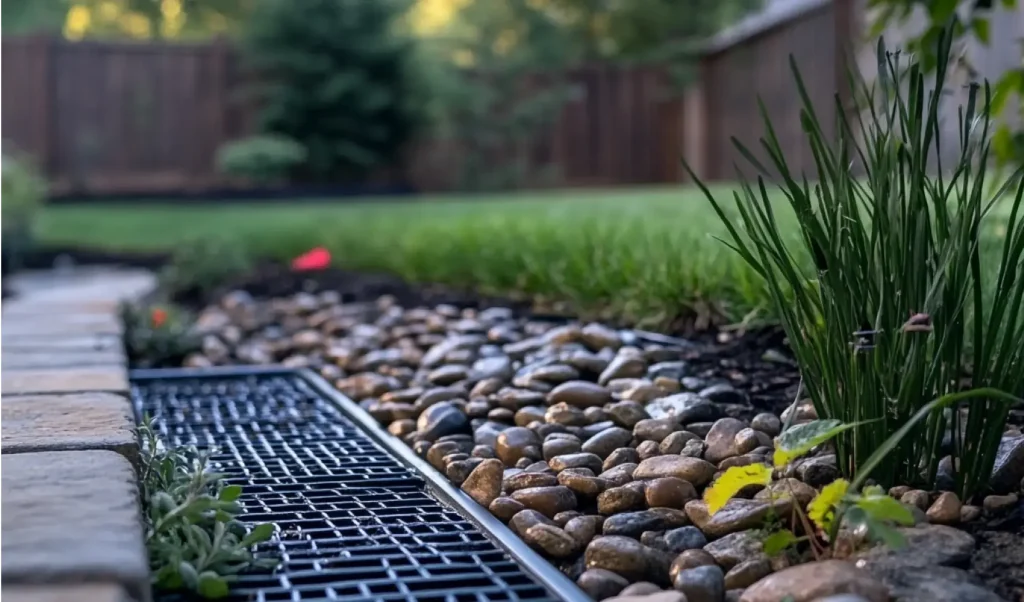
Surface drainage systems are designed to remove excess water from the surface of the lawn. This type of system typically involves the installation of shallow ditches or channels that direct water away from the property. Surface drains are often used in areas with heavy rainfall or properties with poor natural drainage. These systems are relatively easy to install and can be customized to fit the specific landscape features of your property.
While surface drainage systems are effective in managing water runoff, they require regular maintenance to ensure channels remain clear of debris. Leaves, dirt, and other materials can obstruct the flow of water, reducing the system’s effectiveness. Proper upkeep is essential for maintaining the efficiency of surface drainage systems.
Subsurface Drainage Systems
Subsurface drainage systems are installed below the ground to remove excess water from the soil. This type of system is effective in preventing waterlogging and promoting healthy root growth. Subsurface drains are often installed using perforated pipes that collect and redirect water away from the property. These systems are ideal for areas where water tends to accumulate below the surface, threatening the health of deep-rooted plants.
The installation of subsurface drainage systems can be more complex and may require professional assistance. However, the long-term benefits, such as improved soil structure and plant health, make it a worthwhile investment for many homeowners. These systems can be tailored to address specific problem areas in your yard, ensuring a comprehensive drainage solution.
French Drains
French drains are a popular choice for homeowners looking to manage excess water. This system involves the installation of a gravel-filled trench with a perforated pipe at the bottom. Water collects in the trench and is directed away from the property through the pipe. French drains are effective in managing water flow and preventing foundation damage. They can be particularly beneficial in areas with moderate slopes, where surface runoff needs to be controlled.
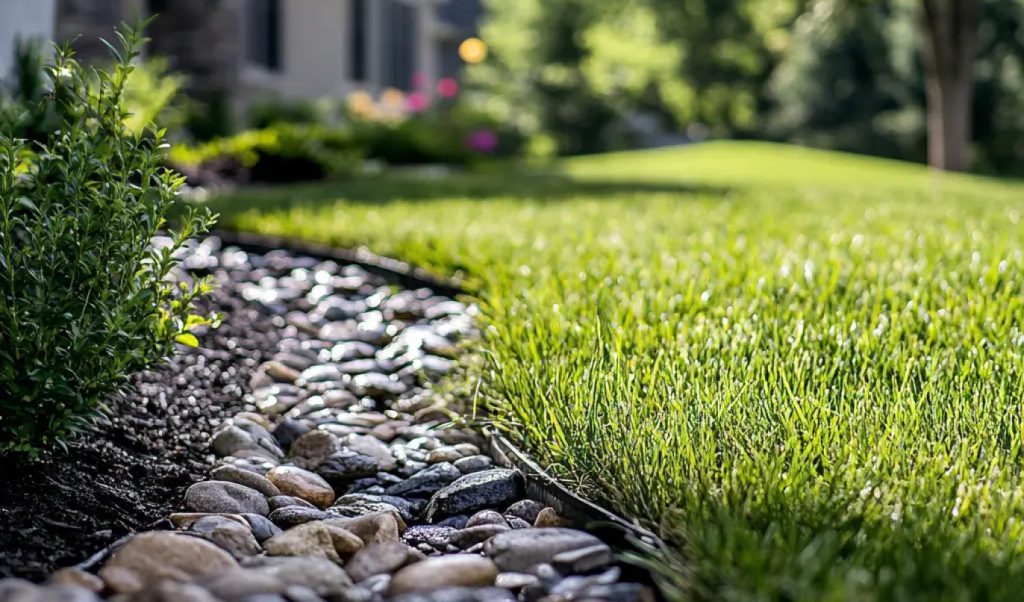
In addition to their functional benefits, French drains can be incorporated into the landscape design, adding aesthetic value to your property. They can be camouflaged with decorative stones or plants, blending seamlessly with the surrounding environment. Regular inspections are recommended to ensure the gravel remains unclogged and the system functions optimally.
Sump Pumps
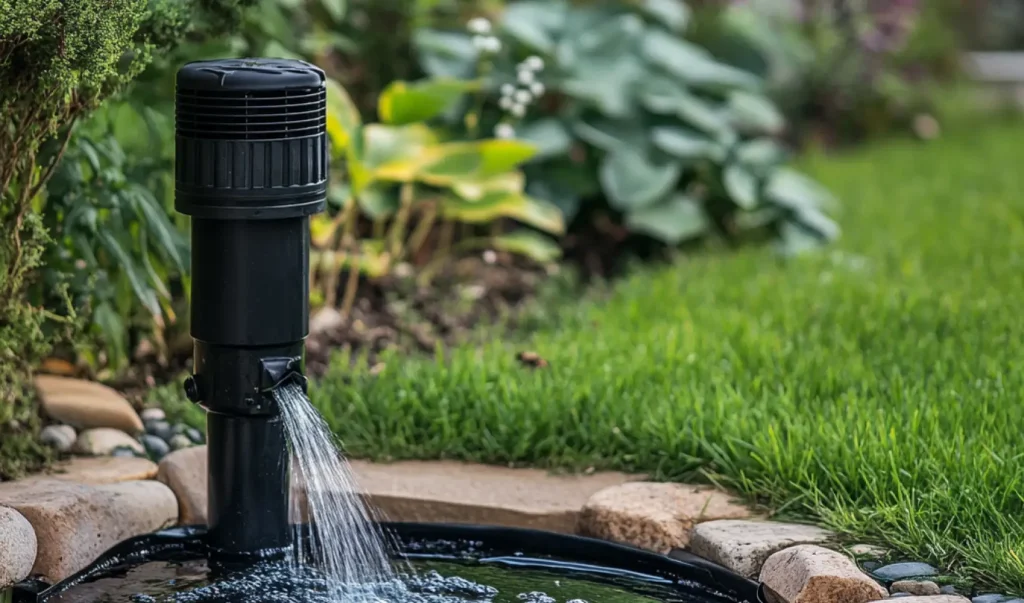
Sump pumps are mechanical devices used to remove water that has accumulated in a sump basin, typically found in basements. These pumps are an excellent solution for properties with high water tables or frequent flooding. By actively removing water, sump pumps help protect your home’s foundation from water damage. They are often used in conjunction with other drainage systems to provide comprehensive protection against water intrusion.
Sump pumps require electricity to operate, so it’s important to ensure they have a reliable power source. Backup battery systems can be installed to provide power during outages, ensuring continuous protection. Regular maintenance, including testing the pump and cleaning the sump basin, is crucial for the efficient operation of sump pumps.
Installation of Foundation Drainage Systems
Installing a foundation drainage system requires careful planning and consideration. Here are the key steps involved in the installation process:
Assessing the Property
The first step in installing a drainage system is to assess the property’s topography and soil composition. This assessment helps determine the most suitable type of drainage system for your needs. Factors to consider include the slope of the land, soil permeability, and existing water flow patterns. Understanding these elements allows for a tailored drainage solution that effectively addresses your property’s specific challenges.
Consulting with a professional can provide valuable insights into the best drainage options for your landscape. They can conduct soil tests and evaluate the hydrology of your property, ensuring that the chosen system will be effective. A thorough assessment lays the groundwork for a successful installation and long-term drainage management.
Designing the System
Once the assessment is complete, a drainage plan is developed. This plan outlines the placement of drains, pipes, and other components needed to effectively manage water flow. The design should ensure that water is directed away from the lawn and foundation without causing erosion or other issues. A well-designed system considers the natural water flow and integrates seamlessly with the existing landscape features.
Collaboration with a landscape architect or engineer can enhance the design process, providing innovative solutions that meet both functional and aesthetic goals. The design phase is crucial, as it sets the blueprint for installation and ensures the system’s longevity and efficiency. Attention to detail during this stage can prevent future problems and reduce maintenance needs.
Excavation and Installation
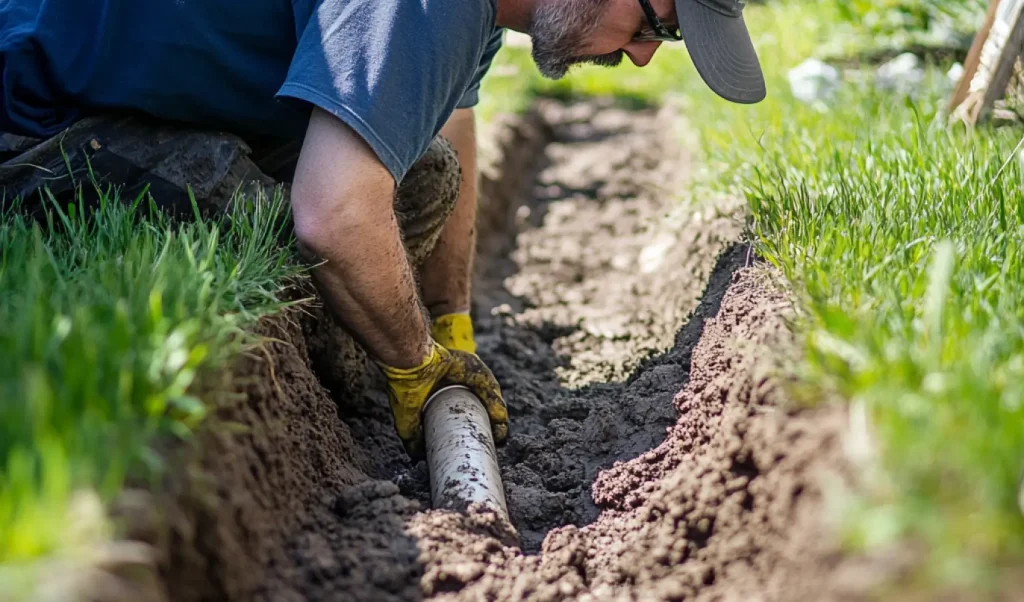
After the design is finalized, the excavation process begins. This involves digging trenches for pipes and drains according to the drainage plan. Once the trenches are prepared, pipes, gravel, and other materials are installed. It’s crucial to ensure that the system is properly sloped to facilitate water flow. Proper installation techniques are essential to avoid issues such as pipe blockages or backflow.
Hiring experienced professionals for installation can ensure that the system is set up correctly and efficiently. They have the expertise to address any unforeseen challenges that may arise during excavation and installation. A well-installed drainage system will provide reliable water management, protecting your property for years to come.
Testing and Maintenance
Once the installation is complete, the system should be tested to ensure it is functioning correctly. Regular maintenance is also essential to keep the system in good working order. This may include clearing debris from drains and inspecting pipes for blockages or damage. Routine checks help identify potential issues before they escalate, ensuring the system continues to perform effectively.
Establishing a maintenance schedule can help keep your drainage system in optimal condition. This includes seasonal inspections and cleaning, especially after heavy rainfall or storms. By investing in regular maintenance, you can extend the lifespan of your drainage system and avoid costly repairs.
Benefits of Foundation Drainage Systems
Investing in a foundation drainage system offers numerous benefits for homeowners:
- Prevents Water Accumulation: Effective drainage systems prevent water from pooling on your lawn, reducing the risk of waterlogging and soil erosion. This not only protects the health of your grass and plants but also minimizes the potential for pest infestations and fungal diseases.
- Protects Foundation: By directing water away from your home’s foundation, drainage systems help prevent costly structural damage. This protection can save homeowners significant expenses in repairs and maintain the safety of the living environment.
- Enhances Landscape Health: Proper drainage promotes healthy plant growth by preventing root suffocation and disease. A well-drained lawn supports a diverse ecosystem, encouraging the growth of various plant species and enhancing biodiversity.
- Improves Property Value: A well-maintained lawn with effective drainage can enhance your property’s curb appeal and overall value. Buyers often look for homes with effective water management systems, making your property more attractive in the real estate market.
Investing in a drainage system is a proactive step towards sustainable home and landscape management. It ensures your property remains in peak condition, regardless of weather changes or environmental challenges.
Conclusion
Foundation drainage systems play a vital role in maintaining a healthy landscape and protecting your home’s structural integrity. By understanding how these systems work and choosing the right type for your property, you can effectively manage excess water and prevent potential damage. Whether you opt for surface drains, French drains, or a sump pump, investing in a drainage system is a wise decision for any homeowner.
Incorporate a lawn foundation drainage system into your property today and enjoy the peace of mind that comes with knowing your home and landscape are protected from water-related issues. A well-planned and maintained drainage system is an investment in the longevity and beauty of your property, offering benefits that extend far beyond immediate water management.