When the crisp air of autumn arrives, many homeowners may think it’s time to put away their gardening tools. However, fall is actually one of the best times to plant grass. The cooler temperatures and abundant rainfall provide ideal conditions for grass seed to take root and thrive. In this guide, we’ll explore what types of grass you can plant in the fall and how to ensure your lawn looks lush and green come spring.
Why Plant Grass in the Fall?
Planting grass in the fall offers several advantages over spring planting. During fall, the soil is still warm from the summer sun, which helps the grass seeds to germinate quickly. Additionally, weeds are less prevalent in the fall, giving grass seedlings a better chance to establish themselves without competition.
The cooler air temperatures also reduce the amount of stress on young plants, allowing them to grow strong roots before the winter frost arrives. By the time spring rolls around, your grass will already have a head start, resulting in a healthier, more robust lawn.
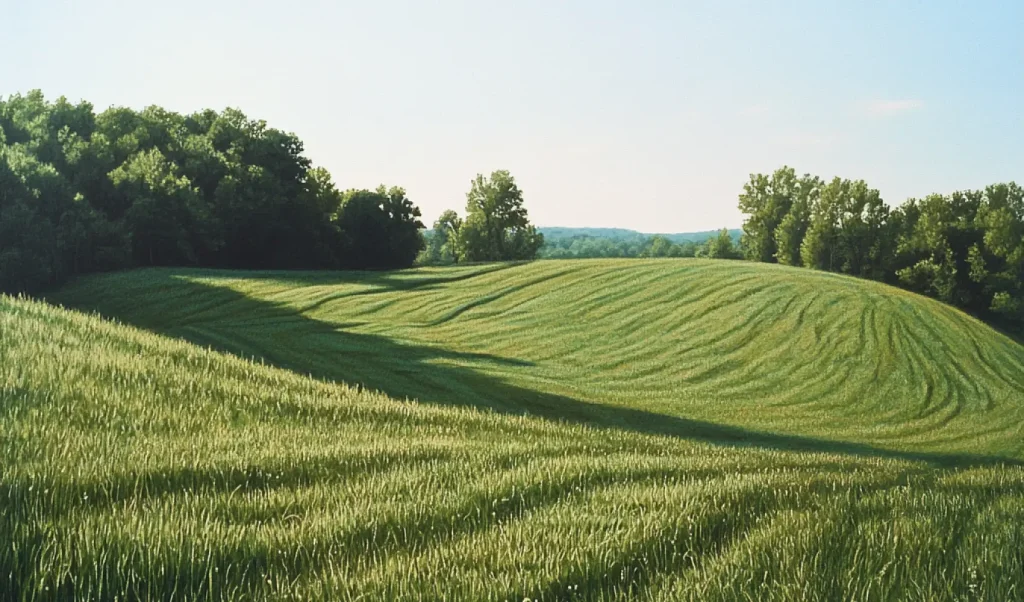
Types of Grass to Plant in the Fall
Different grass types thrive in different climates and conditions. Here are some of the best grass types to consider for fall planting:
Cool-Season Grasses
Cool-season grasses are well-suited for fall planting because they grow actively during the cooler months. These grasses are ideal for regions with cold winters and moderate summers. Some popular cool-season grasses include:
- Kentucky Bluegrass: Known for its rich color and fine texture, Kentucky Bluegrass is a favorite for many lawns. It requires full sun and well-drained soil.
- Perennial Ryegrass: Quick to germinate, perennial ryegrass is perfect for overseeding and repairing bare spots. It thrives in sunny or partially shaded areas.
- Tall Fescue: Tall fescue is a hardy grass that tolerates heat and drought better than most cool-season grasses. It’s ideal for areas with varying climates.
Warm-Season Grasses
While warm-season grasses are typically planted in late spring or early summer, some can still be planted in early fall, especially in regions with milder winters. These grasses go dormant in the winter but flourish in warm climates:
- Bermudagrass: Bermudagrass is hardy and heat-tolerant, making it suitable for southern regions. It’s best planted in areas with full sun exposure.
- Zoysiagrass: Known for its lush, dense growth, zoysiagrass handles foot traffic well, making it ideal for high-traffic areas.
Steps for Planting Grass in the Fall
1. Test Your Soil
Before planting, it’s essential to test your soil to determine its pH level and nutrient content. You can purchase a soil testing kit from a garden center or send a sample to a local extension office. Based on the results, you may need to amend your soil with lime or fertilizer to create optimal growing conditions.

2. Prepare the Soil
Once your soil is ready, it’s time to prepare the area for planting. Remove any debris, such as rocks or sticks, and use a rake to level the ground. If your soil is compacted, consider aerating it to improve drainage and allow grass roots to penetrate more easily.
3. Choose the Right Grass Seed
Select a grass seed blend suited to your climate and soil conditions. Look for high-quality seeds that are free of weeds and other contaminants. If you’re unsure which type to choose, consult with a local gardening expert or nursery.
4. Spread the Seed
Using a broadcast spreader, evenly distribute the grass seed across the prepared area. Be sure to follow the recommended seeding rate on the seed packaging to avoid overcrowding, which can lead to weak growth.
5. Water Regularly
After planting, water the area thoroughly to help the seeds settle into the soil. Continue to water regularly, keeping the soil consistently moist but not waterlogged. This will encourage the seeds to germinate and establish roots.
6. Apply Fertilizer
About four to six weeks after planting, apply a slow-release fertilizer to provide essential nutrients for growth. Choose a fertilizer formulated for new lawns to give your grass the best start.

Fall Grass Maintenance Tips
To ensure your newly planted grass thrives, follow these fall maintenance tips:
Mow Carefully
Once your grass reaches about three inches in height, it’s time to mow. Keep your mower blades sharp to avoid tearing the grass, and never cut more than one-third of the grass height at a time. This helps prevent stress and allows the grass to recover quickly.
Control Weeds
While fall is generally a low-weed season, some weeds may still pop up. Hand-pull any weeds that appear or use a selective herbicide that targets weeds without harming your grass.
Protect from Frost
If you live in an area prone to early frost, cover your young grass with a light layer of straw or mulch to protect it from the cold. This extra layer provides insulation and helps retain soil moisture.
Conclusion
Planting grass in the fall is a strategic move for homeowners looking to achieve a beautiful, vibrant lawn. By choosing the right type of grass seed, preparing your soil, and following proper planting and maintenance techniques, you can set the stage for a lush, healthy lawn that enhances your outdoor space. Embrace the fall planting season, and you’ll be rewarded with a lawn that’s the envy of the neighborhood come spring.For expert advice on planting grass and maintaining your lawn throughout the seasons, contactLawn & Leaf Solutions today. Our team is ready to help you achieve the lawn of your dreams with personalized care and professional services. Reach us at 731-225-9907 or visit our website for more information!