
A Complete Guide to Foundation Drainage for New Homeowners
Congratulations on becoming a new homeowner! Amidst the excitement of settling in and making the space your own, understanding the fundamentals of your home’s infrastructure is crucial for its long-term health and your peace of mind. One of the most vital, yet often overlooked, aspects is foundation drainage. Proper foundation drainage is the unsung hero protecting your home from water damage, structural issues, and a host of other costly problems. This comprehensive guide will equip you with the knowledge you need to understand, assess, and maintain effective foundation drainage around your property.
Why is Foundation Drainage So Important?
The soil surrounding your home’s foundation is constantly interacting with water from rain, snowmelt, and even the water table. While some moisture is natural, excessive water buildup against your foundation walls can exert significant hydrostatic pressure. This pressure can lead to a cascade of problems, including:
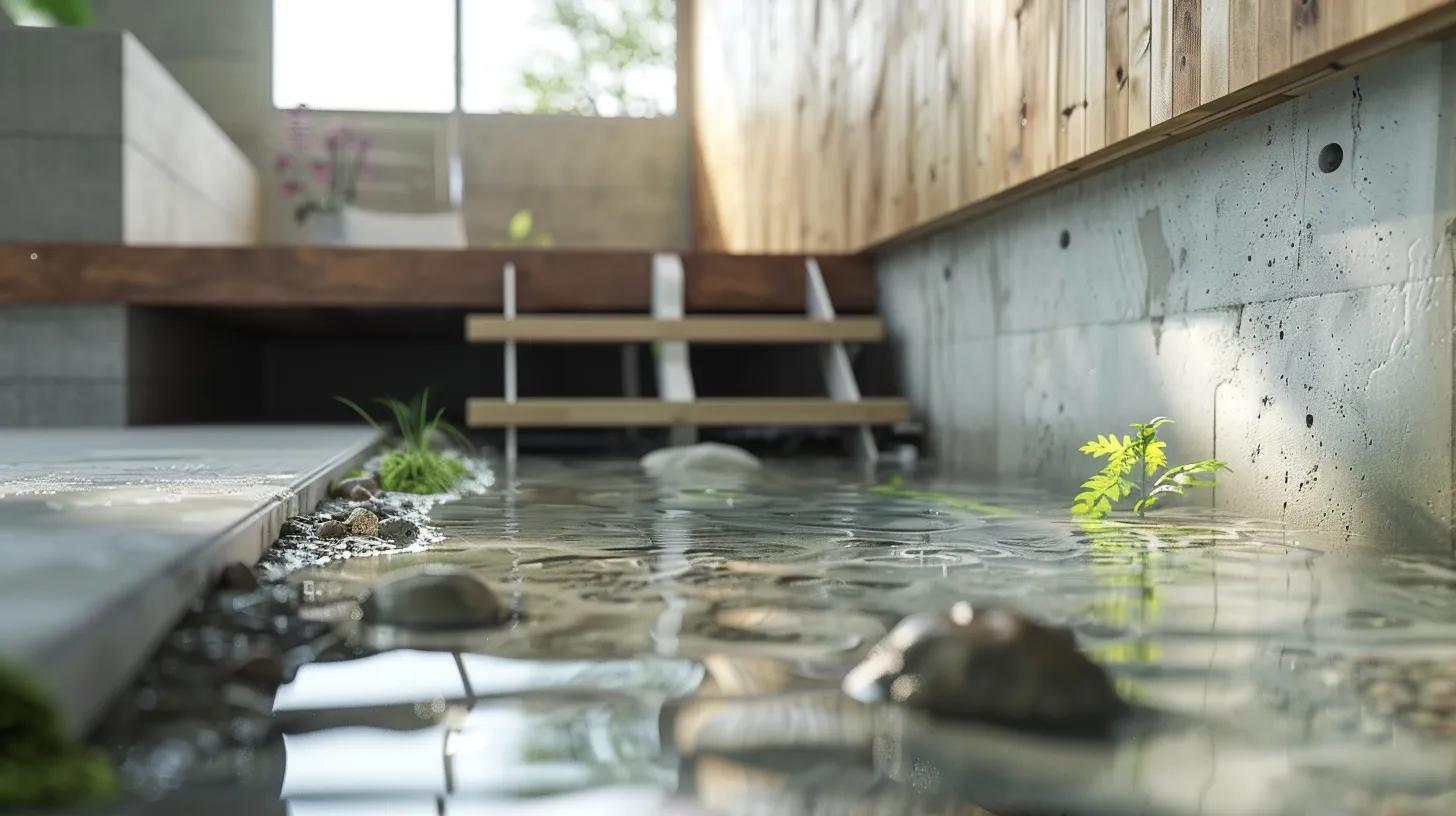
- Basement and Crawl Space Leaks: Water can seep through cracks in the foundation walls, leading to dampness, puddling, and even flooding in basements and crawl spaces.
- Foundation Cracks: The immense pressure from saturated soil can cause foundation walls to crack, compromising the structural integrity of your home.
- Mold and Mildew Growth: Excess moisture creates the perfect breeding ground for mold and mildew, which can trigger allergies, respiratory issues, and damage building materials.
- Soil Erosion and Settlement: Improper drainage can lead to soil erosion around the foundation, potentially causing the soil to shift and the foundation to settle unevenly, resulting in structural problems like sticking doors and windows, and wall cracks.
- Damage to Landscaping: Poor drainage can waterlog your lawn and garden, damaging or killing plants and creating soggy, unusable outdoor spaces.
Investing in and maintaining effective foundation drainage is therefore not just about preventing immediate water intrusion; it’s about safeguarding the long-term structural integrity, health, and value of your most significant investment.
Key Components of Effective Foundation Drainage:
A comprehensive foundation drainage system typically involves a combination of several key components working together to divert water away from your home’s foundation:
- Grading: The land immediately surrounding your foundation should slope away from the house at a minimum of 6 inches over the first 10 feet. This simple measure allows gravity to naturally direct surface water away from the foundation walls. Improper grading is a common culprit behind foundation water issues.
- Gutters and Downspouts: Gutters collect rainwater from your roof, preventing it from cascading directly down the sides of your home and saturating the soil around the foundation. Downspouts then carry this water away from the foundation. It’s crucial to ensure your gutters are clean and free of debris and that downspouts extend at least 4-6 feet away from the foundation walls, ideally directing water towards a designated drainage area.
- Surface Drainage: This refers to the natural and man-made features that help channel surface water away from your home. This can include swales (shallow channels in the ground), French drains, and strategically placed landscaping.
- Subsurface Drainage (French Drains): Often considered the cornerstone of effective foundation drainage, a French drain is a trench filled with gravel or rock that contains a perforated pipe. This pipe is installed around the perimeter of your foundation, typically at or below the level of the basement floor. Groundwater and surface water that seeps into the ground are collected by the pipe and directed away from the foundation to a designated discharge point, such as a lower part of your property, a dry well, or a public storm drain. For homeowners experiencing persistent basement moisture, french drain installation services are often the most effective solution.
- Sump Pump: In homes with basements or crawl spaces that are prone to water intrusion, a sump pump is a crucial component of the foundation drainage system. Located in a sump pit, the pump automatically detects rising water levels and pumps the water away from the foundation to an exterior discharge point. Regular maintenance of your sump pump is essential to ensure it functions correctly when needed.
- Waterproofing: While not strictly drainage, foundation waterproofing acts as an additional barrier against water intrusion. This can involve applying sealant or membranes to the exterior of the foundation walls.
Assessing Your Home’s Foundation Drainage:
As a new homeowner, it’s essential to assess the existing foundation drainage around your property. Look for the following:
- Grading: Does the ground slope away from your foundation? Are there any areas where water appears to pool near the house?
- Gutters and Downspouts: Are your gutters clean and in good repair? Do your downspouts extend adequately away from the foundation? Where does the water from your downspouts go?
- Signs of Moisture: Check your basement or crawl space for any signs of dampness, water stains, mold, or a musty odor.
- Landscaping: Does your landscaping direct water towards or away from your foundation? Avoid planting water-loving plants too close to the foundation.
- French Drains: If your property has French drains, are there any visible signs of blockage or failure?
- Sump Pump: If you have a sump pump, is it functioning correctly? Is the sump pit clear of debris?
If you notice any potential issues or are unsure about the effectiveness of your current foundation drainage, it’s always best to consult with a qualified professional specializing in foundation drainage or french drain installation services.
Maintaining Your Foundation Drainage:
Once you understand your foundation drainage system, regular maintenance is key to ensuring its continued effectiveness:
- Clean Gutters Regularly: Remove leaves, twigs, and other debris from your gutters at least twice a year (more frequently in areas with heavy tree cover). Clogged gutters can cause water to overflow and saturate the soil around your foundation.
- Ensure Proper Downspout Extension: Make sure your downspouts are directing water at least 4-6 feet away from the foundation. Consider using downspout extensions or splash blocks to further divert water.
- Maintain Proper Grading: Address any areas where the grading has shifted and water is pooling near the foundation. You may need to regrade these areas with topsoil.
- Inspect French Drains: If you have visible access points to your French drains, periodically inspect them for any signs of blockage.
- Test Your Sump Pump: Regularly test your sump pump to ensure it’s working correctly. Pour water into the sump pit to see if the pump activates and effectively removes the water.
- Monitor for Moisture: Regularly inspect your basement and crawl space for any signs of dampness or water intrusion, especially after heavy rainfall.
- Be Mindful of Landscaping: Avoid overwatering plants near your foundation and ensure your landscaping promotes proper drainage. For general lawn care jackson tn tips that can indirectly impact drainage, ensure healthy turf that absorbs water effectively but doesn’t retain excessive moisture near the foundation.
When to Call a Professional:
While some aspects of foundation drainage maintenance are DIY-friendly, certain situations warrant professional intervention:
- Persistent Basement or Crawl Space Leaks: If you are experiencing recurring water intrusion, it’s a sign of a significant drainage problem that likely requires professional assessment and repair, potentially involving french drain installation services.
- Visible Foundation Cracks: Cracks in your foundation can be a symptom of hydrostatic pressure and should be inspected by a structural engineer or foundation repair specialist.
- Suspected French Drain Blockage or Failure: If you suspect your French drain is not functioning correctly, professional cleaning or repair may be necessary.
- Sump Pump Failure: If your sump pump is not working, it’s crucial to have it repaired or replaced promptly to prevent potential flooding.
- Significant Regrading Needs: Extensive regrading work may require specialized equipment and expertise.
Conclusion
Understanding and maintaining effective foundation drainage is a crucial responsibility for every new homeowner. By being proactive in assessing your drainage system and addressing any potential issues, you can protect your home from costly water damage and ensure a dry, healthy, and structurally sound living environment for years to come. For homeowners in the Sahibzada Ajit Singh Nagar, Punjab area and beyond, Lawn And Leaf Solutions offers expert advice and services to ensure your foundation drainage is functioning optimally. Remember, a little attention to your foundation drainage can save you significant headaches and expenses down the line.