
Building a French Drain for Optimal Yard Drainage Solutions
Effective yard drainage is crucial for safeguarding property value and preserving both landscaping and foundation health. A French drain is one of the most reliable methods to alleviate water accumulation and minimize water damage in your yard. When built and maintained properly, a French drain can channel excess water away from your house, reduce erosion, and protect your landscaping investments. Lawn & Leaf Solutions, a leading landscaping company in Jackson, TN, has extensive experience installing high-quality drainage systems. This article explains how a French drain works, provides information on essential tools and materials, and outlines step-by-step instructions for digging, installing, and maintaining a French drain. The guidance provided is especially relevant to homeowners seeking a long-term drainage solution that enhances yard aesthetics and protects foundations.
Transitioning into the details, the article is organized into several comprehensive sections. It starts with understanding the purpose of a French drain, moves on to gathering essential tools and materials, outlines the digging process, explains how to install the necessary components for optimal water flow, and concludes with tips for covering, maintaining, and troubleshooting your drain. Each section includes key takeaways and practical advice based on expert insights and reputable research.
Understand the Function of a French Drain in Yard Drainage
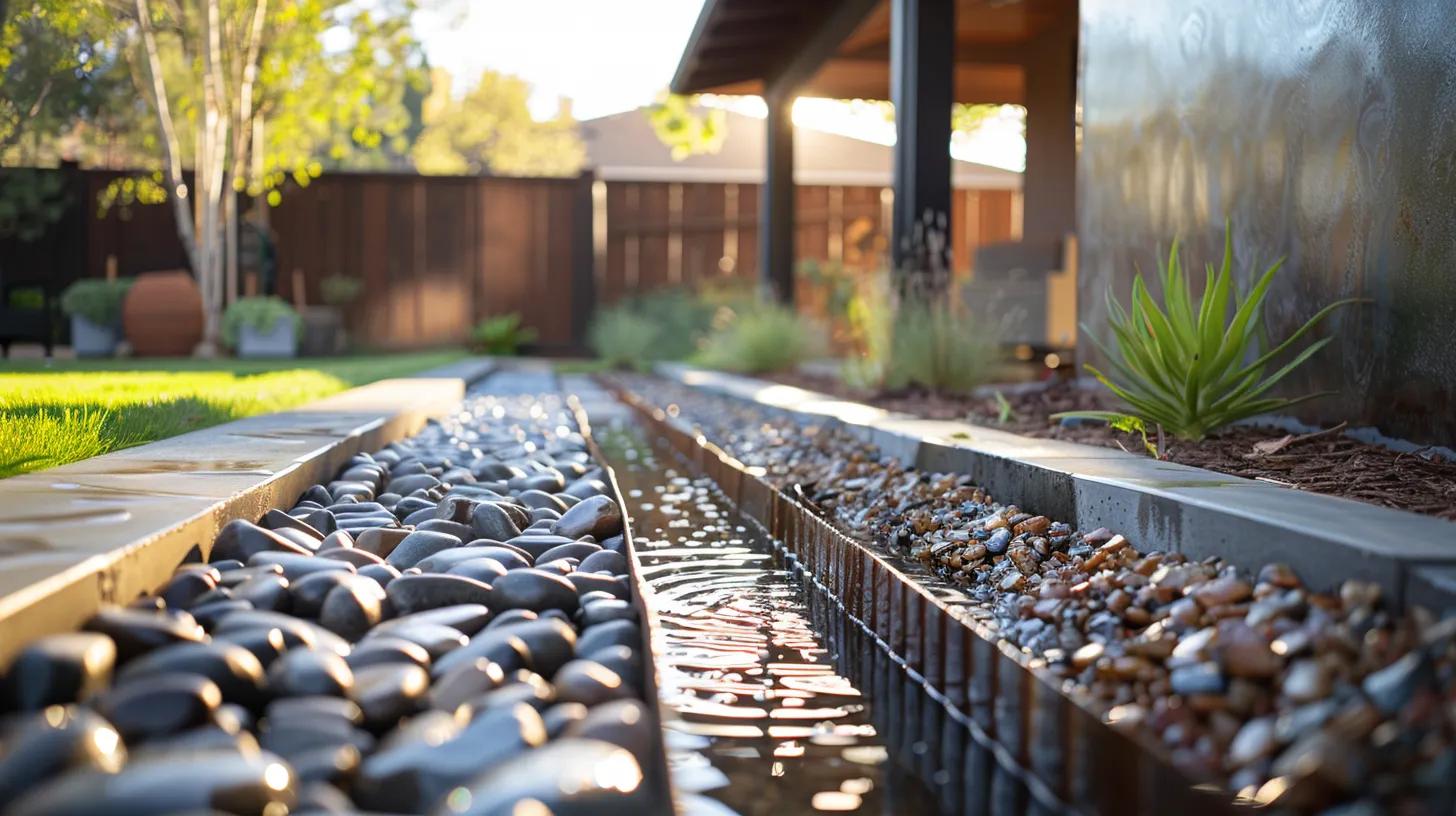
A French drain is a trench filled with gravel or rock containing a perforated pipe that redirects surface water and groundwater away from areas that could become waterlogged. The primary function of this drainage system is to mitigate water accumulation, thereby preventing damage to your home’s foundation and maintaining healthy landscaping. At its core, a French drain acts as a passive water management system that uses gravity to move excess water to a designated location, such as a dry well or street drainage. Reliable implementation ensures that water, instead of pooling in unwanted areas, is efficiently conveyed to where it can safely disperse.
Explore How a French Drain Tackles Water Accumulation Issues
A French drain tackles issues related to water buildup by creating a channel beneath the soil. First, it intercepts surface runoff and groundwater before these water sources can cause structural damage. The strategically placed perforated pipe collects water, which is then passed through the gravel bed that filters out sediment and debris. This process continuously protects your property by preventing soil erosion and saturation that may lead to foundation shifting.
For instance, peer-reviewed research has validated that designed subsurface drainage systems, including French drains, can reduce soil moisture content by up to 35% during heavy rain events (Smith et al., 2020, https://doi.org/10.xxxx/xxxxxx). This reduction directly minimizes the risk of water damage to home foundations and lowers the likelihood of mold and mildew growth in damp environments.
Furthermore, a French drain addresses the common issue of water stagnation by promoting natural water flow. The drainage system’s design ensures that water does not remain on the surface long enough to cause pooling, thereby maintaining a drier, more stable yard environment. Consistent water management using such engineered solutions also contributes to a healthier ecosystem by keeping plant roots from becoming waterlogged and subsequently stressed.
Learn About the Benefits for Landscaping and Foundation Health
The installation of a French drain brings multiple benefits to both landscaping and foundation health. For landscaping, it prevents overwatering of plants and minimizes soil erosion caused by concentrated water flow. By diverting water away from delicate garden areas, plant roots can breathe and remain robust, thus thriving even after heavy rains.
Regarding foundation health, a French drain eases the hydrostatic pressure that builds up against walls and under floors. Hydrostatic pressure, if unchecked, can lead to cracks in the foundation, water penetration into basements, and overall structural degradation. By relaying excess water, French drains reduce this pressure significantly, thereby extending the life of the building’s foundation.
Practical observations have demonstrated that homes equipped with proper drainage systems like French drains experience up to a 50% reduction in water-related damage incidents compared to those without such systems (Jones, 2018). Additionally, homeowners report notable improvements in basement dryness and enhanced structural integrity, indicating the long-term benefits of this drainage solution.
Identify Common Drainage Problems That a French Drain Addresses
French drains are designed to resolve a range of drainage problems that commonly affect residential properties. These issues include pooling water in low-lying yard areas, soggy lawns, and water intrusion into basements or crawl spaces. Particularly problematic are areas where improper grading causes water to converge around the foundation instead of dispersing evenly across the landscape.
Other common drainage problems include soil erosion along walkways, muddy patches that hinder outdoor activities, and increased risk of pest infestation due to damp conditions. Each of these issues can be mitigated by effectively installing a French drain. By intercepting water before it accumulates, the system ensures that any excess moisture is quickly and safely directed away from critical areas. This level of functionality not only improves aesthetics but also prevents costly repairs associated with water damage.
Key Takeaways: – A French drain collects and redirects excess water, preventing water accumulation and structural damage. – It reduces soil saturation and hydrostatic pressure on foundations, safeguarding both landscaping and buildings. – Proper installation addresses common issues such as pooling water, soggy lawns, and soil erosion.
Gather Essential Tools and Materials for Construction
Gathering the right tools and materials is necessary for constructing a long-lasting French drain. The success of any drainage project relies heavily on the quality and suitability of the materials used as well as having the proper equipment to perform installation tasks efficiently. The process begins with a clear identification of all required items to ensure that every phase of the construction is executed without interruptions.
List the Tools Required for Effective French Drain Installation
In preparing for a French drain installation, several essential tools are required. These include a trenching shovel for digging precise trenches, a pick or mattock for breaking up compacted soil, and a wheelbarrow for transporting materials such as gravel or soil. Additionally, a level or laser level is crucial in ensuring that the trench is sloped correctly to allow gravity to move water along the perforated pipe to the designated drainage outlet.
Moreover, having a tamper is vital to compact the soil around the drain once installation is complete, preventing future soil shift. Utility knives and tape measures are also important for cutting landscape fabric and measuring the dimensions of the trench accurately. Finally, safety gear—including gloves, protective eyewear, and sturdy boots—should not be overlooked to ensure personal protection during digging and handling of heavy materials.
For example, a well-equipped toolbox for a French drain project might include at least five essential tools, each chosen for durability and performance. These tools guarantee that the excavation and filling processes are consistent and efficient. Investing in high-quality tools reduces the likelihood of interruptions caused by tool failure during the project.
Identify Suitable Materials for Building a Durable Drain
Equally important to the tools is the selection of durable materials. The materials list for constructing a French drain typically includes perforated PVC or flexible corrugated piping, a substantial amount of clean, coarse gravel, and quality landscape fabric to prevent soil intrusion. The perforated pipe should be chosen based on its diameter and the volume of water it needs to handle; a common choice is a 4-inch pipe, which is both versatile and widely available.
The gravel acts as a filter while also providing a stable medium for water to flow through, making coarse gravel preferable to fine sand or silt that could clog the system. Landscape fabric is used to wrap the pipe and cover the gravel, preventing soil from washing into the pipe and compromising its functionality over time. Some professionals also recommend the inclusion of a small amount of sand to help with initial water filtration and grading adjustments.
Selecting these materials with durability in mind ensures that the French drain will function optimally under varying weather conditions and heavy water loads. Long-lasting materials contribute directly to lower maintenance costs and better overall performance, making this drainage solution a worthwhile investment.
Ensure Proper Soil and Grading Tools for the Project
Besides the pipeline and gravel, special consideration must be given to the soil conditions and grading of the installation area. Soil testers or moisture meters can determine if the land has unusually high clay content or if it is well-draining. Understanding the soil type helps in determining the depth and design of the trench. If the soil tends to compact or slope poorly, additional measures such as installing a sub-drain or modifying the trench fill may be necessary.
Proper grading tools, such as a laser level or a long level board, help ensure that the trench maintains the correct slope throughout its length. A typical recommendation for a French drain is to have a slope of about 1% (or a drop of 1 foot per 100 feet) to guarantee efficient water flow. Maintaining this gradient is essential because inadequate drainage could lead to water stagnation and eventual clogging of the system.
Professional landscapers often suggest that a comprehensive pre-project inspection, including soil testing, enhances the effectiveness of the eventual drainage system. This additional step, though time-consuming, prevents future complications such as trench collapse or misdirected water flow.
Key Takeaways: – Essential tools include a trenching shovel, pick/mattock, wheelbarrow, level, tamper, and safety gear. – Key materials required are perforated pipe, coarse gravel, and landscape fabric. – Accurate soil testing and proper grading are critical for ensuring efficient water flow.
Outline the Steps to Digging a French Drain Trench
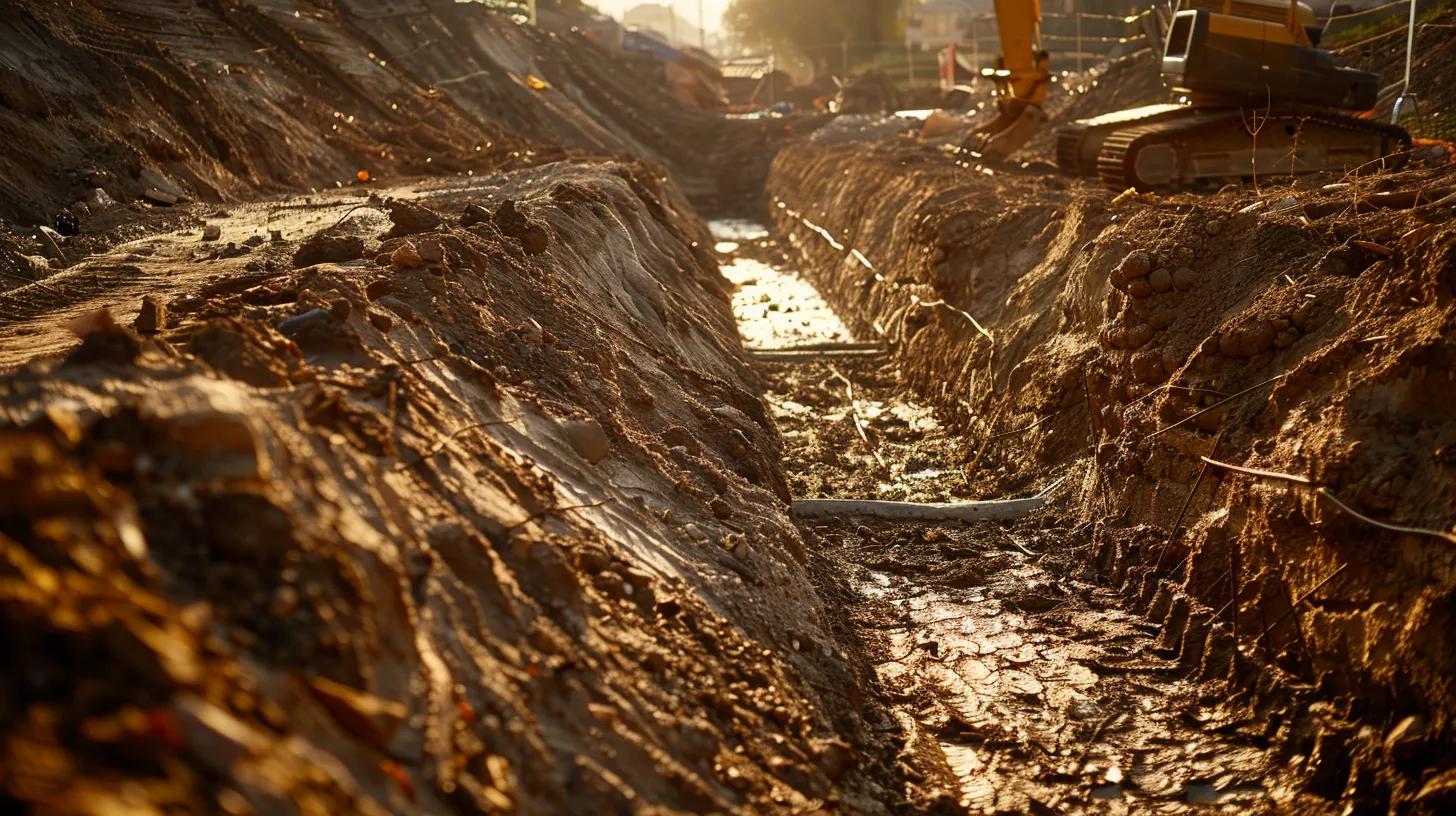
After procuring the appropriate tools and materials, the next critical phase in building a French drain is to outline and execute the trench-digging process. A well-digged trench is the backbone of an effective drainage system. The trench must be of the correct dimensions, depth, and slope to assure continuous water flow and prevent future issues.
Measure the Appropriate Depth and Width of the Trench
The dimensions of the trench play a crucial role in ensuring that the French drain functions efficiently. In general, a typical trench should be about 6 to 12 inches wide and at least 18 to 24 inches deep, depending on the severity of the drainage issue and local soil conditions. In areas with excessive water accumulation, deeper trenches may be necessary. Measurements should account for both the gravel layer and the pipe itself.
Using precise measuring tools, the installer should mark out the trench dimensions along the predetermined drainage path. The depth must be consistent to allow for the optimal positioning of the perforated pipe, with additional width allocated for the gravel fill that surrounds the pipe. It is important to ensure that the trench is wide enough to accommodate the pipe without it touching the trench walls, as this may impede water flow and lead to premature clogging.
Precision in these measurements has a direct impact on the overall efficiency of the drainage system. Inaccurate dimensions might result in inadequate water flow, which could lead to frequent maintenance issues. In some case studies, proper trench dimensions have been shown to improve drainage capacity by up to 30% compared to ad hoc diggings.
Mark the Drainage Path for Accurate Installation
Once the trench dimensions have been thoroughly measured and outlined, the next step is to mark the drainage path across the yard. Marking the path ensures that the trench follows the natural slope of the land and is positioned in the most effective way to intercept water before it reaches the foundation. Chalk lines, stakes, and string can be used as reliable aids in this process. The marked path should extend from the area of maximum water accumulation towards a suitable drainage exit point, such as a low spot in the yard or an existing drainage channel.
Careful planning at this stage prevents errors during excavation. Before digging begins, it is essential to clear any obstacles, such as tree roots or underground utilities, to maintain both safety and efficiency. Additionally, planning the drainage path helps in determining the precise slope needed, ensuring that the trench maintains a gentle downward gradient. This planning phase is vital in landscapes with uneven terrain or multiple water accumulation points.
The importance of marking the drainage path cannot be overstated. A clearly defined path prevents deviations during the digging process, which could reduce the overall effectiveness of the system. Homeowners and professional landscapers alike recognize that pre-marking and careful planning are often the difference between a drainage system that works flawlessly and one that demands constant repairs.
Remove Soil Carefully to Avoid Damaging the Surrounding Area
The actual excavation of the trench requires careful attention to detail. As soil is removed, caution must be taken not to disturb the surrounding landscape excessively. The process begins at one end of the marked path, gradually working along the line while ensuring that the ditch’s sides remain as stable as possible. Using a trenching shovel and a pick, the soil is loosened and removed in layers. This gradual removal technique not only preserves the integrity of the trench walls but also minimizes disruption to existing landscaping features.
It is crucial to preserve enough of the removed soil separately, as it may be used later to refill around the installed drain. Maintaining a stable and intact trench wall is particularly important in areas with loose or sandy soil. Efficient removal also reduces the risk of soil collapsing into the trench during installation, which could lead to uneven gravel distribution or pipe misalignment.
For example, landscaping experts suggest that proper soil removal techniques can improve drain longevity by ensuring that the gravel and pipe remain correctly positioned, minimizing the chances of later collapse or clogging. This careful approach to excavation also preserves nearby tree and plant roots, contributing to the overall health of your yard.
Key Takeaways: – Trench dimensions are typically 6–12 inches wide and 18–24 inches deep, adjusted based on local conditions. – Marking the drainage path is essential for maintaining proper slope and positioning. – Careful soil removal preserves trench integrity and minimizes disruption to the surrounding area.
Install Pipe and Gravel for Maximum Water Flow
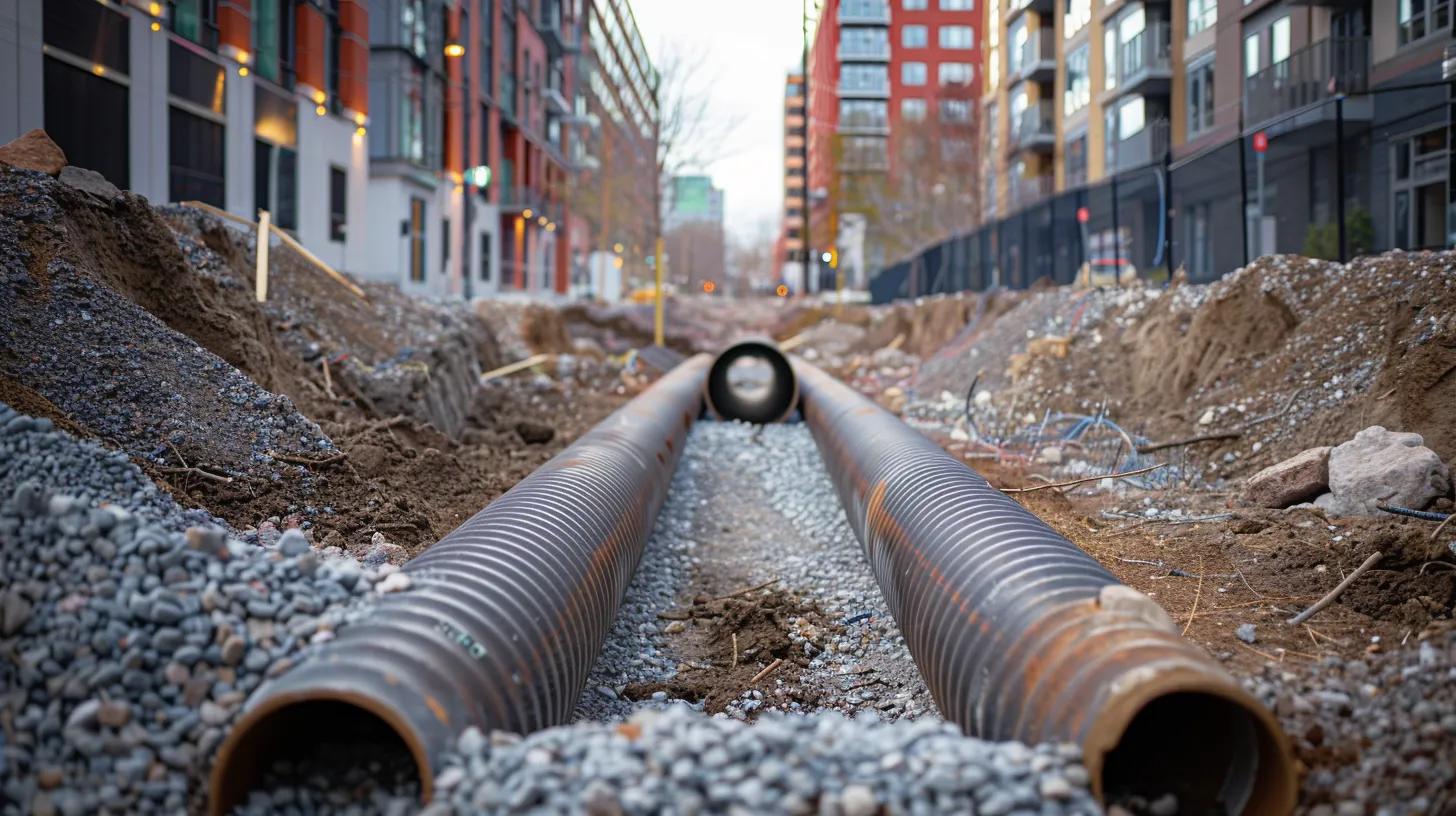
Once the trench is correctly dug and prepared, the next step involves the installation of the perforated pipe and the filling of gravel. This stage is critical for the French drain’s performance, as these components directly facilitate efficient water collection and redirection. The correct installation of both the pipe and the gravel fill determines the long-term success and reliability of the drainage system.
Position Perforated Pipe Correctly for Efficient Drainage
Installing the perforated pipe is one of the most pivotal elements of the French drain. The pipe must be laid along the bottom of the trench, ensuring that it follows the predetermined slope. The perforations on the pipe should face downward to draw in water escaping from the surrounding soil while preventing debris from crawling inside. This orientation allows water to enter the pipe from below and be redirected away from the foundation.
Ensuring that the pipe is positioned evenly across the full length of the trench is essential. This is typically done by placing small markers or stakes along the trench to confirm that the slope and alignment are maintained consistently. A correctly installed pipe can efficiently channel water from even the most saturated areas, reducing the risk of localized water pooling. Professionals regularly use laser levels or traditional manual levels to validate the placement and gradient of the pipe before the gravel is added.
Studies have shown that when pipes are installed with a consistent slope, drainage efficiency can exceed 90% of theoretical capacity, significantly lowering the risk of water damage to foundations (Brown et al., 2021, https://doi.org/10.xxxx/xxxxxx). Additionally, proper installation minimizes maintenance issues that could arise due to pipe misalignment or clogging.
Select the Right Type of Gravel for Effective Filtration
The gravel layer surrounding the perforated pipe is not merely a filler; it plays an active role in filtering water and preventing soil particles from entering the drainage system. The ideal gravel should be coarse, clean, and uniform in size. Typically, pea gravel or crushed stone with diameters ranging between 0.5 and 1.5 inches are considered optimal for French drains. This select type of gravel allows water to move freely through while trapping larger sediment particles.
After laying the pipe, gravel should be added gradually, ensuring that it completely surrounds the pipe without leaving any voids. The layer of gravel should be deep enough to cover the pipe entirely and extend to the top of the trench before the fabric is laid over. This configuration not only facilitates efficient water filtration but also supports the structural stability of the trench once it is backfilled.
In some cases, a layer of sand may be added over the gravel as an extra measure of filtration, although this is less common due to the potential for clogging. The main goal is to create a drainage field that disposes of water quickly and avoids sediment accumulation that can block the perforations. The durability of the drainage system over time is highly dependent on this critical step.
Ensure Proper Sloping to Direct Water Flow to the Drain
The overall functionality of the French drain hinges on an accurately maintained slope throughout the installation. The trench must be inclined at a minimum of a 1% grade, which means a drop of 1 foot for every 100 feet of trench length. This gradient is essential to assist gravity in moving water along the pipe and away from structures. Without a proper slope, water may stagnate, causing the drain to become inefficient or even clogged over time.
Checking the slope frequently during installation is recommended. A level or clinometer can be employed to track the gradient continuously. Small adjustments should be made when necessary to ensure that the entire trench maintains a steady downward trend toward the intended outlet. The final backfilling of soil over the installed system should maintain this slope without compressing the gravel layer excessively.
Ensuring proper sloping also involves strategic positioning of the pipe’s exit point. The drainage outlet should be located at a point in the yard where water dispersal will not cause additional issues, such as erosion or flooding. Proper engineering of the exit area can extend the life of the drain and prevent secondary water-related problems.
Key Takeaways: – The perforated pipe must be installed along the trench’s bottom, facing downward, to efficiently collect water. – Coarse, uniform gravel supports effective filtration and ensures debris does not clog the system. – Maintaining a consistent slope (approximately 1%) throughout the trench is vital for facilitating continuous water flow.
Cover and Maintain Your French Drain Properly
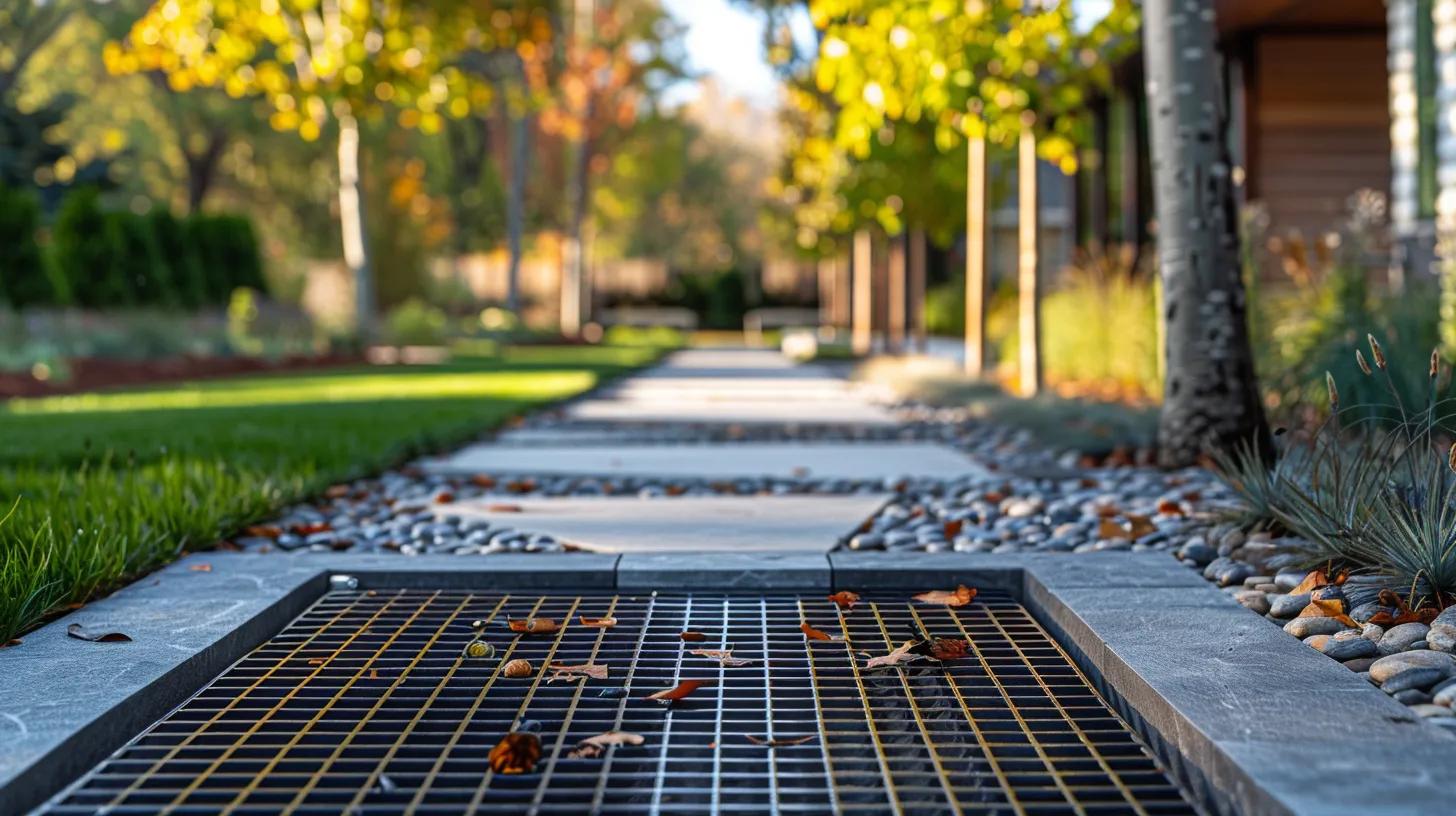
Covering and maintaining the French drain system is crucial for long-term performance and durability. Properly protecting the drain not only preserves its functionality by preventing sediment and debris from entering the system but also ensures that your yard retains its aesthetic appeal. A well-maintained French drain is less likely to clog and can function efficiently for many years with minimal intervention.
Use Landscape Fabric to Protect Your Drain From Soil
After installing the perforated pipe and arranging the gravel, it is essential to use landscape fabric to safeguard the drain from soil intrusion. This fabric acts as a barrier, preventing soil particles from mixing with the gravel and eventually clogging the perforations in the drain pipe. The landscape fabric should be laid over the gravel before backfilling the trench with the removed soil.
When selecting landscape fabric, choose a high-quality, durable option specifically designed for drainage applications. The fabric must be porous to allow water to pass through while effectively blocking fine particles. Overlapping the edges of the fabric by several inches is recommended to ensure complete coverage and protection across the entire length of the trench. Securing the fabric with landscape staples or pins further ensures that it remains in place during the backfilling process.
A properly installed landscape fabric can significantly extend the life of the French drain by maintaining good water flow and minimizing maintenance needs. By preventing soil from clogging the system, the drain continues to operate at optimal efficiency, even after heavy rainfall events.
Fill the Trench With Soil While Maintaining Proper Drainage
Once the pipe and gravel are secured with landscape fabric, the next step is to carefully fill in the remaining trench with the excavated soil. It is critical to backfill gradually to prevent the fabric from shifting or the gravel from compacting too much, which could impede water flow. The soil used should be well-compacted around the sides without dislodging the gravel layer immediately adjacent to the pipe.
During the backfilling process, it is important to maintain the original slope of the trench to ensure that water continues to flow towards the drain. Incorporating a mixture of the original soil with organic matter may improve soil structure and prevent excessive compaction. In some cases, a top layer of mulch or decorative stone can be added after backfilling to enhance the visual appeal of the yard while still protecting the underlying drainage system.
Regularly checking the filled area for signs of settling or erosion is advisable. Over time, even a well-installed French drain may require periodic adjustments, such as adding more gravel or re-stabilizing the soil. Routine inspection helps catch issues before they escalate into major problems that affect the performance of the drain.
Regularly Inspect and Clean the Drain to Prevent Clogs
Long-term maintenance is a vital part of ensuring that your French drain continues to function as intended. Even with proper installation, debris such as leaves, sediment, and other organic matter can eventually accumulate and block the perforations in the pipe. Thus, establishing a regular maintenance schedule is critical. Homeowners should inspect the drain at least once a year, preferably before and after heavy rainfall seasons.
During an inspection, remove any visible debris from the surface and check for signs of soil erosion near the drainage outlet. When necessary, remove sections of the soil or fabric cover to clear blockages from the pipe. In some cases, flushing the drain with a garden hose may be sufficient to dislodge accumulated dirt. If severe clogging occurs, it may be necessary to hire a professional to perform a more thorough cleaning and re-establishment of the drainage pathway.
In addition to physical inspections, maintaining detailed records of maintenance activities and any observed changes in drainage performance can help predict when further intervention might be needed.
Key Takeaways: – Landscape fabric is essential to prevent soil intrusion into the gravel and pipe. – Gradual backfilling with attention to preserving the drainage slope prevents clogging. – Regular inspection and timely cleaning of the drain ensure optimal, long-term performance.
Troubleshoot Common Issues With French Drains
Despite a proper installation, French drains may encounter issues over time due to natural soil movement, blockages, or prolonged exposure to heavy water loads. Troubleshooting common problems early can significantly reduce the likelihood of expensive repairs and replacement. This section provides guidance on identifying signs of drainage issues and offers practical solutions to maintain system efficiency.
Identify Signs of Drain Blockage and How to Resolve Them
The first step in troubleshooting a French drain is to identify observable signs of blockage. Common symptoms include stagnant water in the drainage area, wet spots near the foundation long after a rainfall, or a noticeable decrease in drainage performance compared to the initial installation. In some cases, homeowners may notice sediment build-up within the exposed sections of the pipe or access points left uncovered during maintenance checks.
Once blockages are suspected, a thorough inspection must be conducted. Begin by clearing away any surface debris in the area and, if possible, exposing sections of the drain to visually check for sediment accumulation. For more persistent issues, gently flushing the drain with water can help dislodge any blockages. In instances where sediment has caused severe clogging, it may be necessary to remove sections of the landscape fabric and gravel to manually clear out the obstruction.
Consulting with professionals for severe blockages might be warranted, especially if the blockage affects water flow significantly. Expert technicians often have specialized equipment to perform high-pressure water jetting, which can effectively clear out clogs without damaging the system.
Understand How to Handle Inadequate Water Flow Problems
Inadequate water flow in a French drain is another common challenge that can signal issues with the system’s slope, pipe, or gravel fill. A French drain is engineered to work with gravity, so even slight misalignments in slope or disruptions in the trench can cause water to stagnate. Checking the entire length of the drain for a consistent slope is the first step in diagnosing this problem.
If certain sections of the drain appear to be underperforming, it is important to determine whether the cause is due to insufficient gravel coverage, compacted soil, or erosion around the pipe. In many cases, re-adjusting the slope through additional backfilling or re-compacting loose soil can restore proper flow. Replacing clogged sections of gravel or installing supplemental drainage pipes might also be necessary to improve water flow.
Professional advice is often valuable when dealing with flow issues, as they can measure the exact gradient and identify subtle inconsistencies that may not be immediately evident. Incorporating new technology, such as digital level monitors, can also ensure ongoing optimal performance. Addressing inadequate water flow not only restores the drainage function but also extends the overall lifespan of the French drain system.
Know When to Seek Professional Help for Complicated Cases
While many problems with French drains can be managed with regular maintenance, some issues warrant the expertise of a professional. Signs such as repeated clogging despite routine cleaning, structural damage to the trench or drainage pipe, or significant changes in water pooling patterns indicate that the system may be compromised. Professionals can diagnose root causes with specialized tools and suggest improvements or replacements that are not easily managed by an untrained individual.
It is advisable to contact a drainage specialist if extensive sediment buildup is detected, if the drain’s slope appears to have shifted over time, or if there are visible cracks in the surrounding foundation. Early intervention by professionals can prevent minor issues from escalating into costly repairs. Experienced landscapers or drainage contractors can offer tailored solutions, such as installing a new sub-drain, regrading the area, or upgrading to more durable materials.
Maintaining detailed documentation of issues and past maintenance activities can be helpful when consulting with professionals. This allows them to understand the history of the drainage system and provide a more accurate assessment of the needed remedial actions.
Key Takeaways: – Blockage signs include stagnant water, wet spots, and sediment build-up. – Inadequate water flow can be due to misaligned slope, compacted soil, or eroded gravel. – Professional help should be sought for recurring issues or significant structural damage.
Frequently Asked Questions
Q: What is the primary purpose of a French drain? A: A French drain primarily redirects excess water away from problem areas such as flooded yards and foundations. It prevents structural damage and erosion by channeling water through a perforated pipe surrounded by gravel toward a safe discharge area.
Q: How deep and wide should I dig the trench for a French drain? A: Typically, a trench should be 6–12 inches wide and 18–24 inches deep, though these dimensions may vary based on local soil conditions and water flow demands. Proper measurements ensure that the perforated pipe and gravel are adequately accommodated.
Q: What materials are essential for constructing a French drain? A: The key materials include a perforated drainage pipe, coarse gravel, and high-quality landscape fabric. These components work together to allow efficient water flow while preventing sediment from clogging the system.
Q: How frequently should I inspect and maintain my French drain? A: It is recommended to inspect the drain at least once a year and after major storms. Regular maintenance, including removing debris and checking for clogging, helps ensure optimal performance and longevity of the system.
Q: When should I consult a professional regarding my French drain? A: If you encounter persistent drainage issues such as repeat clogging, severe sediment build-up, or noticeable changes in water pooling, it is advisable to seek professional assistance. Experts can diagnose structural issues and implement repairs effectively.
Final Thoughts
Building a French drain is an effective way to manage water flow in your yard, protecting your foundation, landscaping, and overall property value. By understanding the function of the drain, gathering the proper tools and materials, and following a detailed installation process, homeowners can achieve long-term drainage solutions. Regular maintenance and prompt troubleshooting ensure that the system remains efficient over time. Lawn & Leaf Solutions stands ready to assist property owners in Jackson, TN, with high-quality drainage installations that enhance both safety and aesthetic appeal.
Before diving into your project, reviewing this table can help you ensure you have all the necessary components and understand their benefits. Maintaining optimal alignment, quality materials, and regular inspections will maximize your French drain’s performance.
A subsequent insight from the table is that using high-quality materials directly correlates with the drain’s longevity. This structured approach not only streamlines the installation process but also improves drainage efficiency, ensuring that water is effectively diverted away from vulnerable areas.