
What to Expect After a New Sod Installation
Installing new sod is an exciting step toward achieving a lush, green lawn. Whether you’ve just finished a sod installation or are planning to, understanding what comes next is essential for ensuring your lawn thrives. From initial watering to long-term care, knowing what to expect helps you avoid common mistakes and ensures your investment grows into a healthy, vibrant yard.
Immediate Care After Sod Installation
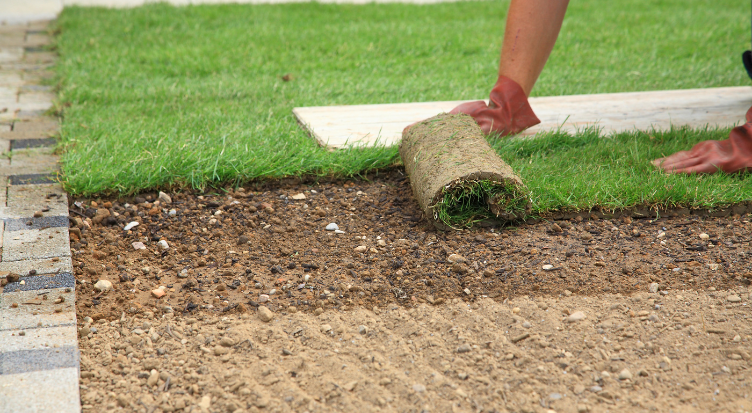
Once the sod has been laid, it’s natural to want to admire your new lawn. However, proper care starts immediately. Sod, unlike grass grown from seed, is already mature and capable of photosynthesis, but its roots need time to establish in the new soil. Here’s what to focus on in the first few days:
1. Watering Is Crucial
Newly installed sod needs consistent moisture to root into the soil. During the first two weeks, your goal is to keep the sod and the soil underneath evenly moist. This usually means watering 2–3 times a day in the morning and evening, depending on weather conditions. Avoid overwatering to the point of creating puddles, as this can promote fungal growth.
2. Avoid Heavy Traffic
Your new sod is fragile during the initial establishment period. Walking on it too much can disrupt the roots and create bare spots. If you must cross the lawn, try to stick to the edges and minimize pressure on newly laid areas.
3. Inspect for Gaps or Dry Spots
Check the sod for gaps between pieces and dry areas that may need extra attention. Small gaps can be filled with soil to help roots connect better with the ground. Dry spots should be watered immediately to prevent sod from drying out.
The First Few Weeks: Root Establishment
The period after the first week is critical for root growth. During this time, the sod is focusing on extending its roots into the underlying soil. Here’s what you should expect:
1. Lawn Appearance
It’s normal for your lawn to look slightly yellow or dull in the first couple of weeks. This doesn’t mean the sod is dying; it’s simply adjusting to its new environment. If the yellowing persists beyond two weeks, check your watering routine and soil conditions.
2. Watering Schedule
Gradually reduce the frequency of watering as the roots establish, but maintain deep watering sessions. Typically, after two to three weeks, watering once a day or every other day is sufficient, aiming for about 1 inch of water per week. Deep watering encourages roots to grow downward rather than staying near the surface, which strengthens the sod over time.
3. Mowing for the First Time
Resist the temptation to mow your new sod immediately. Wait until the grass reaches about 3–4 inches in height. When you mow, ensure the blade is sharp and only cut the top third of the grass to avoid stressing it. Early mowing helps promote thicker growth without damaging roots.
Common Challenges After Sod Installation
Even with the best care, some challenges may arise after a sod installation. Being aware of these issues can help you respond quickly:
1. Dry or Wilting Sod
Dry patches can occur if watering is inconsistent. Pay attention to signs of wilting or browning and water immediately. If the problem persists, you may need to check for underlying soil issues or consult a lawn care professional.
2. Weeds and Pests
New sod can sometimes come with weeds, although reputable suppliers usually provide clean sod. Keep an eye out for invasive plants or insects. Applying a mild, safe herbicide or natural pest control method can help prevent damage without stressing your new lawn.
3. Rolling or Curling Edges
Occasionally, sod edges may lift or curl, especially if they were not laid tightly together. This can be fixed by pressing the edges down and ensuring the soil underneath is moist. Mulching edges lightly can also help stabilize them.
Long-Term Care for a Healthy Lawn
Once your sod has established, transitioning to a regular lawn care routine is essential for long-term success. Here’s how to maintain a thriving lawn:
1. Fertilization
About 4–6 weeks after installation, your sod may benefit from a light application of fertilizer. Use a balanced formula to promote strong root growth and vibrant color. Be careful not to over-fertilize, as this can burn young grass.
2. Mowing and Lawn Maintenance
Regular mowing helps encourage dense, healthy grass. Keep your mower blades sharp, and remember the “one-third rule”: never cut more than one-third of the grass height at a time. Regular lawn maintenance also includes aeration, overseeding if necessary, and keeping an eye out for pests or diseases.
3. Seasonal Adjustments
As seasons change, adjust your watering, fertilization, and mowing schedules accordingly. For instance, lawns may need less water during cooler months and more attention during hot, dry periods. Mulching leaves in the fall can also provide nutrients to your lawn naturally.
Tips for Success After Sod Installation
- Plan Ahead: Prepare your soil properly before installation to make the transition easier for your new sod.
- Be Patient: Sod may take a few weeks to fully root, so resist overwatering or excessive traffic.
- Regular Observation: Monitor your lawn daily during the first month to catch potential issues early.
- Professional Guidance: If unsure, consult lawn care professionals for advice tailored to your region and grass type.
Conclusion
A new sod installation marks the beginning of a beautiful lawn, but the real success comes from careful post-installation care. From frequent watering in the first days to establishing a proper mowing and fertilization routine, every step matters. By understanding what to expect and responding proactively to challenges, you can enjoy a vibrant, healthy lawn for years to come.
At Lawn and Leaf Solutions, we understand the importance of proper sod care. Following these guidelines ensures your investment in a new lawn pays off with long-lasting beauty and resilience. Your dream lawn is just the beginning; the care afterward makes it flourish.