
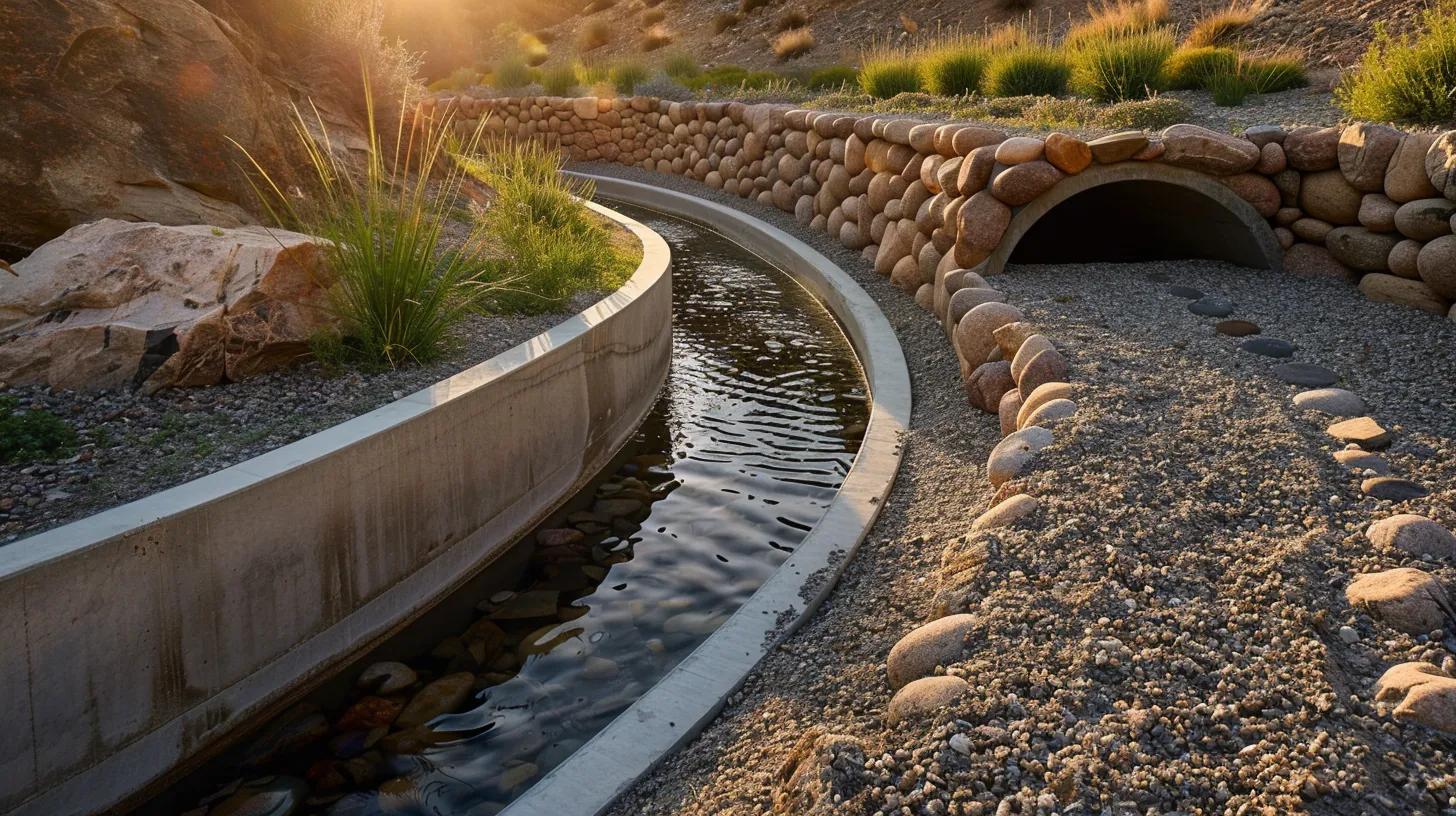
The Ultimate Guide to Foundation Drainage Systems for Homeowners
Your home’s foundation is the bedrock of its structural integrity. Protecting it from the damaging effects of excess water is paramount for its longevity and the overall health of your property. Understanding foundation drainage systems is the first crucial step in ensuring a dry basement or crawl space and preventing a host of costly problems.
At Lawn And Leaf Solutions, while our expertise extends to french drain installation and comprehensive lawn care Jackson TN, we recognize that a healthy landscape starts with a sound foundation. This ultimate guide will delve into the world of foundation drainage systems, exploring their types, importance, and how they work to safeguard your home from water damage.
Why are Foundation Drainage Systems So Important?
The soil surrounding your foundation is constantly exposed to moisture from rain, snowmelt, and even groundwater. While some moisture is natural, excessive water buildup can exert significant hydrostatic pressure against your foundation walls and floor. This pressure can lead to a cascade of problems, including:
- Basement and Crawl Space Leaks: Water can seep through cracks in the foundation walls and floor, leading to dampness, puddling, and even flooding.
- Mold and Mildew Growth: Excess moisture creates the perfect breeding ground for mold and mildew, which can cause respiratory issues, allergies, and unpleasant odors.
- Structural Damage: The constant pressure from saturated soil can cause foundation walls to crack, bow, or even shift, compromising the structural integrity of your entire home.
- Efflorescence: This white, powdery deposit on basement walls is a sign of water seeping through the concrete and leaving behind mineral salts.
- Pest Infestations: Damp basements and crawl spaces attract pests like insects and rodents.
- Reduced Air Quality: Moisture and mold in the lower levels of your home can negatively impact the air quality throughout the entire house.
- Decreased Property Value: Water damage and foundation issues can significantly reduce the value of your home.
A properly designed and installed foundation drainage system actively mitigates these risks by intercepting and redirecting water away from your foundation, ensuring a dry and stable environment.
Types of Foundation Drainage Systems
Several types of foundation drainage systems work in concert to protect your home. Understanding each type will help you appreciate the comprehensive approach needed for effective water management:
- Perimeter Drains (French Drains): Often referred to as french drain installation, these are one of the most common and effective components of a foundation drainage system. As discussed in our previous guide, a perimeter drain involves excavating a trench around the outside (exterior) or inside (interior) of your foundation walls. This trench is lined with filter fabric, filled with gravel, and contains a perforated pipe. The pipe collects groundwater before it can reach your foundation and directs it to a designated discharge point, such as a sump pump pit or a lower-lying area away from the house. Exterior perimeter drains are typically installed during new construction, while interior systems can be added to existing homes.
- Sump Pumps: A sump pump is an electric pump installed in a специально constructed pit, usually in the basement or crawl space. Interior perimeter drains often discharge into the sump pump pit. When the water level in the pit rises to a certain point, the sump pump automatically activates and pumps the water out and away from your foundation through a discharge pipe. Sump pumps are crucial for managing groundwater that makes its way beneath the foundation slab.
- Surface Grading: Proper grading of the landscape around your foundation is a simple yet vital aspect of foundation drainage systems. The ground should slope away from your house at a rate of at least 6 inches over the first 10 feet. This encourages surface water runoff to flow away from the foundation walls, preventing it from soaking into the soil directly adjacent to your home.
- Gutters and Downspouts: While seemingly separate, a well-maintained gutter and downspout system is an integral part of your overall foundation drainage system. Gutters collect rainwater from your roof, preventing it from cascading down the sides of your house and saturating the soil around the foundation. Downspouts then direct this water away from the foundation. It’s crucial to ensure your gutters are clean and free of debris and that downspouts extend far enough away from the foundation or are connected to underground drainage installation.
- Drainage Matting and Boards: These are typically used in conjunction with exterior perimeter drains, especially against foundation walls. Drainage matting is a dimpled or textured material placed against the foundation wall before backfilling. It creates an air gap that allows water to flow down to the perimeter drain more easily, relieving hydrostatic pressure. Drainage boards serve a similar purpose and can also provide some insulation.
- Curtain Drains: Similar in construction to french drains but installed away from the foundation, curtain drains intercept groundwater flowing towards your home. They are often used on sloping properties to divert subsurface water before it reaches the foundation.
How to Determine the Right Foundation Drainage System for Your Home
The best foundation drainage system for your home will depend on several factors, including:
- Soil Type: Different soil types have varying drainage capacities. Clay soils, for instance, retain more water than sandy soils.
- Water Table Level: A high water table can put significant pressure on your foundation.
- Topography of Your Property: Sloping properties may require different drainage solutions than level ones.
- Existing Drainage Issues: The severity and nature of your current water problems will dictate the necessary solutions.
- Age of Your Home: Older homes may not have modern drainage systems in place.
- Budget: Different drainage solutions have varying costs associated with installation and maintenance.
It’s often best to consult with a qualified foundation repair specialist or a landscaping professional experienced in foundation drainage systems to assess your specific needs and recommend the most effective and cost-efficient solutions. While we at Lawn And Leaf Solutions specialize in french drain installation and lawn care Jackson TN, we can often identify potential drainage issues and recommend appropriate steps, including collaboration with foundation experts when necessary.
DIY vs. Professional Foundation Drainage System Installation
While some aspects of foundation drainage systems, such as ensuring proper surface grading and maintaining clean gutters, can be tackled by homeowners, the installation of perimeter drains, sump pumps, and other more complex components is generally best left to experienced professionals.
French drain installation, for example, requires careful excavation, precise pipe placement with the correct slope, and proper backfilling to ensure optimal performance. Incorrect installation can lead to system failure and continued drainage problems. Similarly, sump pump installation involves electrical wiring and plumbing connections that should be handled by qualified technicians.
Hiring professionals ensures that the foundation drainage system is designed and installed correctly, using the appropriate materials and techniques to effectively protect your home. While the initial investment may be higher, it can save you significant costs and headaches in the long run by preventing serious water damage.
Maintaining Your Foundation Drainage System
Once your foundation drainage system is in place, regular maintenance is crucial to ensure its continued effectiveness:
- Sump Pump Inspection: Regularly check your sump pump to ensure it’s functioning correctly. Test the float switch to make sure it activates the pump when the water level rises.
- Sump Pump Pit Cleaning: Periodically remove any sediment or debris that may accumulate in the sump pump pit.
- Gutter and Downspout Cleaning: Clean your gutters at least twice a year (more frequently in areas with many trees) to prevent clogs. Ensure downspouts are directing water away from the foundation.
- Surface Grading Check: Periodically inspect the grading around your foundation and make any necessary adjustments to ensure a consistent slope away from the house.
- Perimeter Drain Inspection (if accessible): If you have clean-out ports for your perimeter drains, you can periodically flush them with water to remove any potential blockages.
Conclusion
Understanding and implementing effective foundation drainage systems is a fundamental aspect of responsible homeownership. By actively managing water around your foundation, you can prevent a wide range of costly and damaging problems, ensuring the structural integrity and long-term health of your home.
While DIY efforts can address some surface water management, the installation of critical components like perimeter drains and sump pumps is often best entrusted to professionals. At Lawn And Leaf Solutions, we understand the importance of a dry foundation as the first step towards a healthy and beautiful landscape. While our primary focus in Jackson, TN, may be lawn care Jackson TN and french drain installation, we are committed to educating homeowners on the vital role of comprehensive foundation drainage systems in protecting their most valuable asset. Invest in a solid foundation, and you’ll be investing in the longevity and well-being of your home.