
Top Yard Drainage Solutions to Control Soil Erosion
When it comes to maintaining a beautiful, healthy yard, one of the most important elements to consider is soil erosion. Soil erosion can cause significant damage to your landscaping, disrupt plant growth, and even affect the foundation of your home if left unchecked. Thankfully, there are effective yard drainage solutions available that can help you combat this problem and protect your property from long-term damage. In this blog, we’ll explore the top yard drainage solutions to control soil erosion and maintain the integrity of your landscape.
Understanding Soil Erosion: Why It Happens
Soil erosion occurs when rainwater, wind, or human activity carries away the topsoil of your yard. This is particularly problematic for plants, as the topsoil contains essential nutrients and microorganisms needed for healthy growth. Erosion can also lead to the loss of valuable landscaping material and create unsightly gullies or uneven patches in your yard.
Some common causes of soil erosion include:
- Heavy rainfall: A sudden downpour can wash away soil quickly, especially in areas with steep slopes or poor ground cover.
- Improper grading: If your yard’s grading is uneven, water can pool in some areas, creating excess runoff that accelerates erosion.
- Lack of vegetation: Lawns and plants act as natural barriers to erosion. Without enough greenery, rainwater can wash the soil away.
With the right drainage systems in place, you can reduce erosion and prevent damage to your landscape.
1. French Drains: A Classic Solution for Yard Drainage
French drains are one of the most effective yard drainage solutions for managing excess water and preventing soil erosion. A French drain is a trench filled with gravel or rock that directs water away from problem areas, such as around foundations, lawns, or garden beds. The drain is typically lined with a perforated pipe that allows water to flow freely while filtering out debris.
How French Drains Help:
- Redirects excess water: French drains help divert water away from areas prone to erosion, preventing it from accumulating and washing away soil.
- Prevents pooling: By channeling water to a safe location, French drains help avoid water pooling in low-lying spots that could cause erosion.
- Disperses water gradually: The drain disperses water gradually into the ground, ensuring that it doesn’t overwhelm any one area.
French drains are ideal for areas that experience heavy rainfall or have poor drainage. If you’re dealing with soil erosion, installing a French drain is a great way to manage water flow and keep your soil intact.
2. Surface Drains: Quick Fixes for Water Flow Issues
Surface drains are a simpler and more affordable drainage option for controlling erosion. These drains are installed on the surface of the soil and are designed to collect and direct water away from your yard. They are usually connected to underground pipes that carry the water to a safe area, like a storm drain or a drainage ditch.
How Surface Drains Help:
- Improves water flow: Surface drains help water flow smoothly off your property, reducing the risk of erosion.
- Easy to install: Unlike other drainage solutions, surface drains are relatively easy to install and don’t require extensive excavation or disruption to your yard.
- Can be used in various areas: Surface drains can be placed in low spots, walkways, or even under gutters to manage water runoff.
While surface drains may not offer the long-term effectiveness of more complex systems, they are a quick and effective solution for controlling surface water and preventing erosion in specific areas.
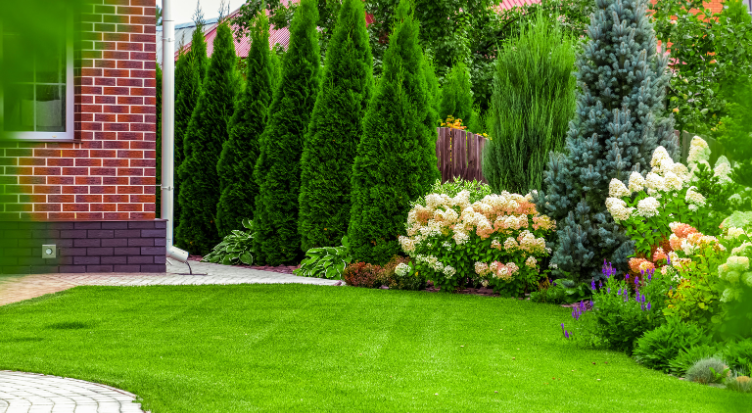
3. Gutter Systems and Downspouts: Directing Water Away from Your Home
Properly functioning gutters and downspouts are essential for keeping water away from your foundation, which can help prevent both erosion and structural damage. If your downspouts discharge water too close to your foundation, it can lead to water pooling in certain areas and wash away the soil.
How Gutters and Downspouts Help:
- Directs water away from your yard: By redirecting rainwater from your roof to a designated area, gutters and downspouts help reduce excess water flow on your property.
- Prevents foundation erosion: If water pools around the foundation of your home, it can weaken the structure and lead to soil erosion. Properly placed downspouts direct water away from your foundation to protect it.
- Easy maintenance: Keeping gutters and downspouts clean ensures that water flows freely, minimizing the risk of erosion.
Consider extending your downspouts with a drainage pipe to direct the water even further away from your yard and prevent soil erosion.
4. Swales: Shaping Your Yard for Natural Drainage
Swales are shallow, landscaped depressions that direct water runoff to a designated area. They are typically designed with a slight slope, allowing water to flow naturally towards a drainage system or a catch basin. Swales can be planted with grass, shrubs, or other ground cover to help slow down the water flow and prevent soil erosion.
How Swales Help:
- Natural water control: Swales help manage water flow by creating a channel for water to flow through, reducing the risk of erosion.
- Eco-friendly solution: Swales can be incorporated into your landscape design, enhancing the aesthetic appeal while providing a functional drainage solution.
- Helps absorb water: The plants in a swale help absorb excess water, reducing runoff and encouraging water to seep back into the soil rather than washing it away.
Swales are perfect for controlling erosion in larger yards or areas with heavy water flow.
5. Retaining Walls: Stabilizing Slopes and Preventing Runoff
If your yard has a steep slope, a retaining wall can be a highly effective solution to prevent soil erosion. Retaining walls are structures built to hold back soil and prevent it from washing away. These walls can be made from various materials, including stone, concrete, or timber, and are designed to stabilize the soil on sloped areas.
How Retaining Walls Help:
- Holds back soil: A well-built retaining wall can prevent soil from sliding down a slope during heavy rainfall, reducing erosion.
- Improves yard aesthetics: Retaining walls can also improve the visual appeal of your landscape by creating terraced levels or adding a unique design feature.
- Helps with water drainage: Some retaining walls include drainage features that help direct water away from the slope, preventing it from causing erosion in the first place.
If you live on a hill or have a sloped yard, a retaining wall can significantly reduce the risk of soil erosion and create a more manageable landscape.
6. Vegetation: A Natural Erosion Control Solution
Plants are one of the most natural and effective ways to combat soil erosion. Ground cover, grasses, and deep-rooted plants act as barriers that hold the soil in place and absorb water. In areas where erosion is a problem, planting vegetation can significantly reduce the impact of water runoff and help protect your yard.
How Vegetation Helps:
- Stabilizes soil: The roots of plants help bind the soil together, making it harder for water to wash it away.
- Reduces runoff: Vegetation slows down water as it flows across your yard, reducing the chances of erosion.
- Filters water: Certain plants can help filter out pollutants in the water, improving water quality as well as reducing soil erosion.
Consider planting native grasses, shrubs, and other plants that are well-suited for your area to help control erosion naturally.
Conclusion
Soil erosion can be a serious issue, but with the right yard drainage solutions, you can protect your yard and prevent long-term damage. Whether you choose French drains, surface drains, gutters, swales, retaining walls, or vegetation, the key is to act before the problem worsens. Each of these drainage solutions offers unique benefits depending on your yard’s layout and drainage needs. If you’re unsure which option is best for your yard, consult with a professional to ensure you make the right decision for effective soil erosion control.
For expert assistance with any of these yard drainage solutions, reach out to Lawn & Leaf Solutions. We can help you design and install the perfect drainage system to keep your yard in top shape year-round.