
When it comes to installing a French drain, choosing the right type of gravel is crucial. One popular option that often comes up is river rock. But is river rock really a good choice for French drains? In this article, we’ll explore what river rock is, its benefits, and whether it’s suitable for your drainage needs.
What is River Rock?
River rock is a type of smooth, rounded stone that is often used in landscaping. These rocks are naturally tumbled in rivers over time, which gives them their distinctive shape and texture. River rocks can vary in size, typically ranging from small pebbles to larger stones.
Characteristics of River Rock
River rock is known for its smooth surface and attractive appearance. It is available in a variety of colors, including earthy tones like gray, brown, and tan. The size and shape of river rock can vary, making it a versatile option for different landscaping projects.
Uses of River Rock in Landscaping
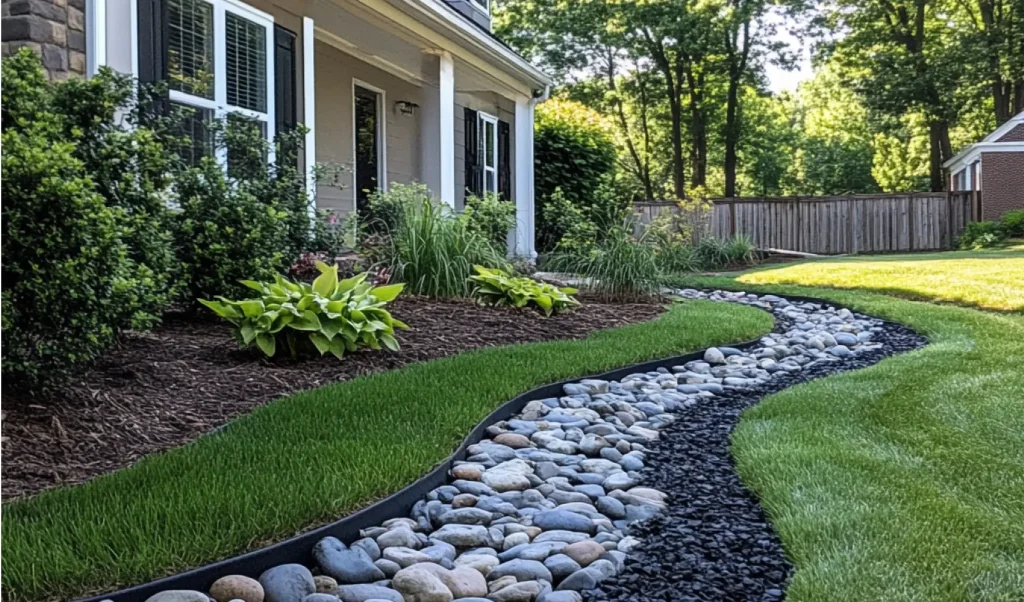
River rock is commonly used for decorative purposes in gardens, walkways, and ponds. Its smooth texture and natural colors make it an appealing choice for aesthetic enhancements in outdoor spaces. Additionally, river rock is often used in dry creek beds and other water features.
Benefits of Using River Rock for French Drain Installation
When considering materials for a French drain, river rock offers several advantages:
Excellent Drainage
One of the primary reasons river rock is considered for French drains is its superior drainage capability. The smooth, round shape of river rock allows water to flow freely between the stones, preventing water from pooling and ensuring efficient drainage.
Durability
River rock is a durable material that can withstand the elements. Its natural formation process makes it resistant to erosion and degradation, which is important for maintaining the integrity of a French drain over time.
Aesthetic Appeal
In addition to its functional benefits, river rock adds an aesthetic value to French drains. Its natural look can enhance the visual appeal of your landscape, blending seamlessly with the surrounding environment.
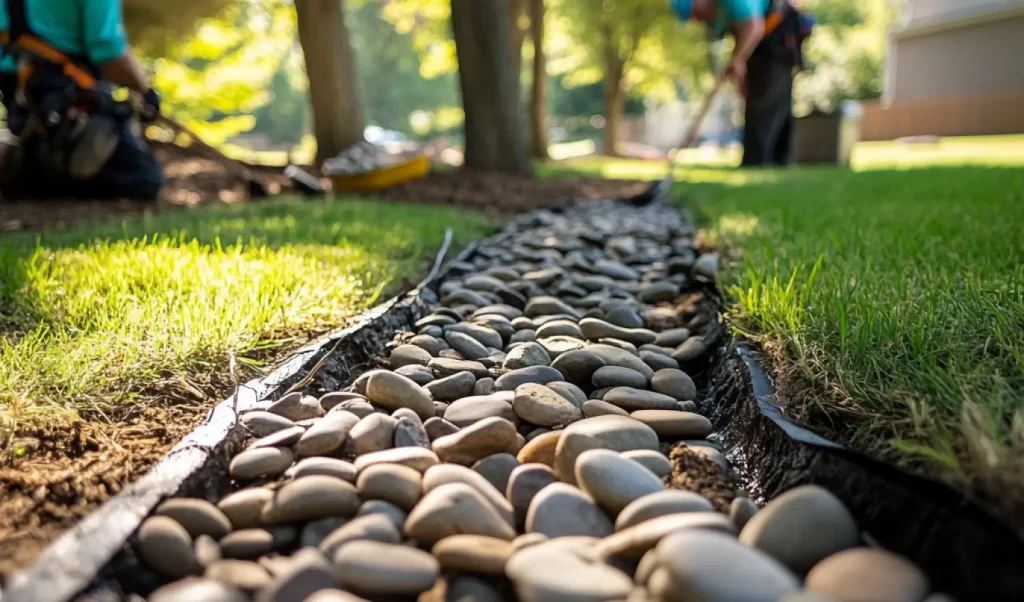
How to Install a French Drain Using River Rock
If you’ve decided that river rock is the right choice for your French drain, here’s a basic guide to the installation process:
Step 1: Plan the Drainage Path
Before you begin, determine the best path for your French drain. Consider the natural slope of your yard and identify low-lying areas where water tends to accumulate.
Step 2: Dig the Trench
Once you’ve planned the path, dig a trench along the intended route. The trench should be deep enough to accommodate the pipe and a layer of river rock, typically about 12 to 18 inches deep.
Step 3: Lay Down Landscape Fabric
To prevent soil from clogging the drain, line the trench with landscape fabric. This will act as a barrier, allowing water to pass through while keeping dirt and debris out.
Step 4: Add a Layer of River Rock
Place a layer of river rock at the bottom of the trench. This will serve as the base for the drainage pipe and facilitate water flow.
Step 5: Install the Drainage Pipe
Lay perforated drainage pipe on top of the river rock base. Ensure that the pipe is positioned with the holes facing downward to allow water to enter.
Step 6: Cover the Pipe with More River Rock
After placing the pipe, cover it with additional river rock. This will provide stability and further improve drainage efficiency.
Step 7: Wrap the Landscape Fabric
Fold the edges of the landscape fabric over the top layer of river rock. This will help keep the rocks in place and prevent soil from entering the drain.
Step 8: Fill the Trench
Finally, fill the remaining space in the trench with topsoil or sod to match the surrounding landscape.
Considerations When Using River Rock for French Drains
While river rock is a great option for many French drains, there are some considerations to keep in mind:
Cost
River rock can be more expensive than other types of gravel. If budget is a concern, you may want to compare prices with alternative materials like crushed stone.
Availability
Depending on your location, river rock may not be readily available. Be sure to check with local suppliers to ensure you can source the material for your project.
Weight
River rock is heavier than other types of gravel, which can make installation more labor-intensive. Consider the weight of the material when planning your project, especially if you’re doing it yourself.
Alternatives to River Rock for French Drains
If river rock isn’t suitable for your needs, there are other materials to consider:
Crushed Stone
Crushed stone is a common alternative to river rock for French drains. It provides excellent drainage and is often more affordable. Unlike river rock, crushed stone has jagged edges that can help hold the pipe in place.
Pea Gravel
Pea gravel is another option for French drains. It is smaller and lighter than river rock, making it easier to work with. However, it may not provide the same level of drainage efficiency.
Conclusion
River rock is a popular and effective choice for French drains due to its excellent drainage properties, durability, and aesthetic appeal. While it may be more expensive and labor-intensive to install, the benefits often outweigh the drawbacks. By carefully planning and executing the installation process, you can create a functional and attractive drainage solution for your landscape.
Whether you choose river rock or another material, understanding the needs of your property and the characteristics of the materials will help you make an informed decision. With the right approach, your French drain can effectively manage water runoff and enhance the beauty of your outdoor space.