
How to Prepare Your Yard for New Sod Installation
A lush, green lawn instantly elevates your home’s curb appeal and provides a welcoming outdoor space for your family and friends. If you’re considering transforming your yard with new sod installation, proper preparation is the key to success. Laying sod might seem like a quick fix, but skipping essential steps before the installation can lead to poor root development, uneven growth, and long-term maintenance issues.
In this guide, we’ll walk you through the critical steps to prepare your yard for a successful sod lawn installation. Whether you’re working with professionals or going the DIY route, a well-prepared yard ensures your sod takes root and thrives for years to come.
Why Preparation Matters
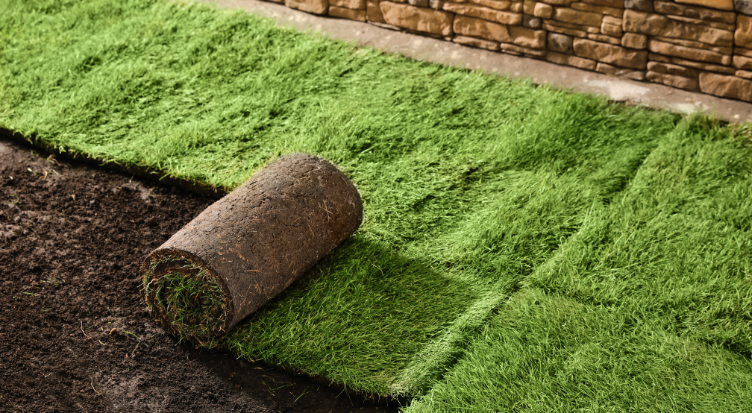
Before diving into the steps, it’s important to understand why preparation matters for lawn sod installation. Sod is essentially mature grass that has been grown and harvested with a layer of soil, and it needs immediate contact with your yard’s topsoil to establish roots. Without proper ground preparation, your sod may not survive the transition.
Inadequate preparation can lead to:
- Poor root penetration
- Weed competition
- Uneven surfaces
- Drainage problems
- Pest issues
With those risks in mind, let’s explore how to prepare your yard the right way.
Step 1: Clear the Area
Start by removing everything from your lawn that could interfere with your sod grass installation:
- Old grass and weeds: Use a sod cutter or rototiller to remove existing turf and weeds. Be thorough—any remaining vegetation can create problems later.
- Rocks and debris: Clear stones, sticks, and other debris to create a smooth surface.
- Irrigation markers: Flag sprinkler heads and utility lines to avoid damaging them during soil preparation.
If the area has been treated with herbicide, wait at least two weeks before proceeding to ensure no residual chemicals remain in the soil.
Step 2: Grade the Soil for Drainage
Proper grading is essential for water runoff and root development. Your lawn should gently slope away from your home to prevent water from pooling near the foundation.
Use a rake or landscape grading tool to:
- Smooth out bumps and fill in low spots
- Create a consistent, level surface
- Ensure the topsoil slopes 1–2% away from the house
Take time during this step—an uneven yard not only looks bad but also causes drainage issues that can drown your sod.
Step 3: Test and Amend the Soil
Before any sod grass installation, you need to know what you’re working with beneath the surface. A soil test will tell you the pH level, nutrient content, and what amendments are needed.
You can purchase a DIY soil test kit or send a sample to your local extension office. Based on the results, you may need to:
- Adjust pH with lime (to raise) or sulfur (to lower)
- Add nutrients like nitrogen, phosphorus, and potassium
- Improve structure with organic compost or sand (especially in clay-heavy soil)
Till the amendments into the top 4–6 inches of soil to ensure proper blending and root access.
Step 4: Rake and Roll
After amending the soil, rake the area smooth and remove any remaining debris. This is also the time to water the soil lightly to settle it, making it easier to detect any depressions or high spots.
Once satisfied with the surface, use a lawn roller filled halfway with water to compact the soil slightly. This helps eliminate air pockets and prepares a firmer base for the sod to sit on.
Remember, your goal is a smooth, level, and slightly compacted surface—not rock hard. Too much compaction can restrict root growth.
Step 5: Install Irrigation (If Needed)
If you’re planning to install or update a sprinkler system, do it before the sod goes down. Running pipes and installing heads after the sod is installed can damage both the grass and the roots.
A well-designed irrigation system is vital for successful sod lawn installation, especially during the critical first few weeks when the sod needs consistent moisture to establish.
Step 6: Schedule the Sod Delivery
Time your sod delivery carefully. Sod is perishable and needs to be installed as soon as possible after delivery—ideally the same day. Coordinate with your supplier to have the sod dropped off early in the morning, and plan to have help on hand for quick installation.
Try not to leave sod rolls on the pallet in the sun, as they can overheat and die within hours.
Step 7: Final Preparation Before Laying Sod
Just before your new sod installation, take a few final steps:
- Lightly water the soil (not muddy, just damp)
- Mark areas that shouldn’t be covered (like flower beds or walkways)
- Lay down starter fertilizer to help roots take hold
Once these are complete, you’re ready for the installation itself.
Bonus Tips for a Successful Sod Lawn Installation
Here are some extra pro tips to ensure your new sod thrives:
- Stagger the seams: Like laying bricks, offset sod pieces in a staggered pattern to avoid straight lines.
- Avoid walking on fresh sod: Minimize foot traffic for the first few weeks.
- Water immediately after installation: Soak the sod thoroughly right after it’s laid down.
- Roll again: Once the sod is down, use the roller one more time to ensure good soil contact.
Aftercare: The First Few Weeks
Proper care after lawn sod installation is just as important as preparation. Here’s what you need to do:
- Water daily for the first 10–14 days, keeping the sod and soil consistently moist
- Avoid mowing until the sod is rooted (typically after 2–3 weeks)
- Fertilize lightly after 3–4 weeks to support early growth
- Watch for weeds and pests, but avoid chemical treatments in the first month
By the 6-week mark, your sod should be firmly rooted, and you can begin transitioning to a regular lawn care schedule.
Final Thoughts
Successful new sod installation starts long before the first roll is laid. From clearing the site and testing the soil to final grading and irrigation planning, each step plays a crucial role in creating a thriving lawn. When done right, sod gives you an instant transformation and a durable, healthy yard you can enjoy for years to come.
For homeowners who want professional guidance and top-notch results, partnering with an experienced team can make all the difference. At Lawn & Leaf Solutions, we specialize in helping homeowners achieve picture-perfect lawns with expert sod grass installation and maintenance services tailored to your landscape’s needs.