
Proper drainage around your home’s foundation is crucial to prevent water damage, soil erosion, and potential foundation issues. If you’re experiencing water pooling or dampness near your foundation, it may be time to evaluate and improve your drainage system. This guide will walk you through the steps to install and enhance drainage around your foundation effectively.
Understanding the Importance of Drainage
Water is one of the most common causes of foundation damage. When water accumulates around the foundation, it can lead to several problems, including:
- Soil erosion, which can cause the foundation to shift or settle.
- Water infiltration, leading to basement leaks or dampness.
- Increased hydrostatic pressure against the foundation walls, causing cracks or bowing.
By ensuring proper drainage, you can protect your home’s structural integrity and avoid costly repairs.
Assessing Your Current Drainage System
Before making any improvements, it’s important to assess the existing drainage system around your foundation. Here are some steps to evaluate your current setup:
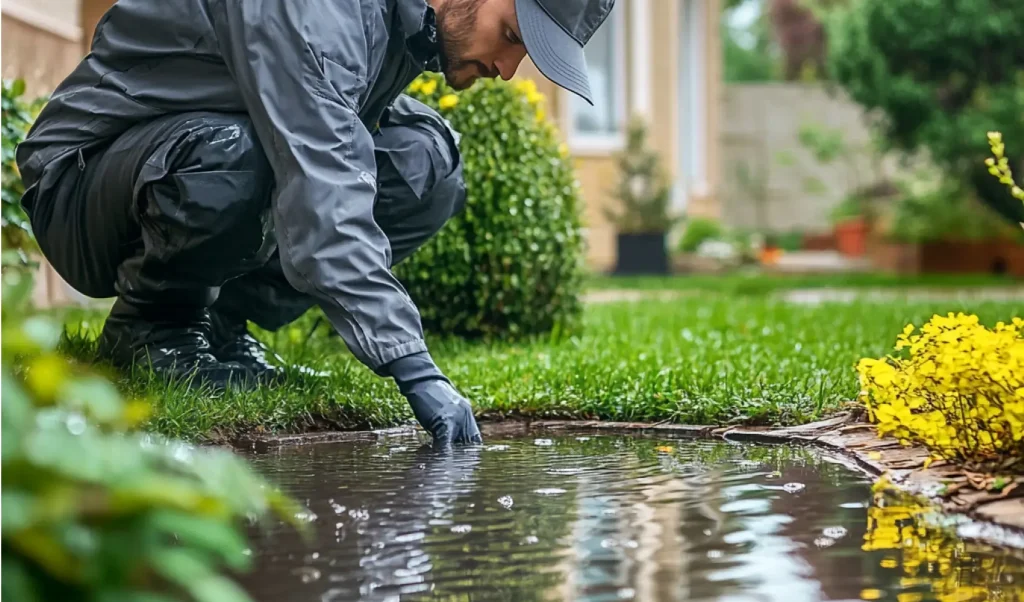
Check for Water Pooling
Walk around your home’s perimeter after a heavy rain. Look for areas where water pools or soil appears excessively wet. These spots indicate poor drainage that needs attention.
Inspect Gutters and Downspouts
Ensure that gutters are clean and free of debris, allowing rainwater to flow freely. Downspouts should extend at least 5-10 feet away from the foundation to prevent water from seeping into the soil near the foundation.
Evaluate the Slope of the Surrounding Landscape
The ground around your foundation should slope away from the house. A gentle slope of at least 6 inches over the first 10 feet is recommended to direct water away from the foundation.
Installing or Improving Drainage Systems
Once you’ve identified areas needing improvement, consider the following methods to enhance drainage around your foundation:
1. Install a French Drain
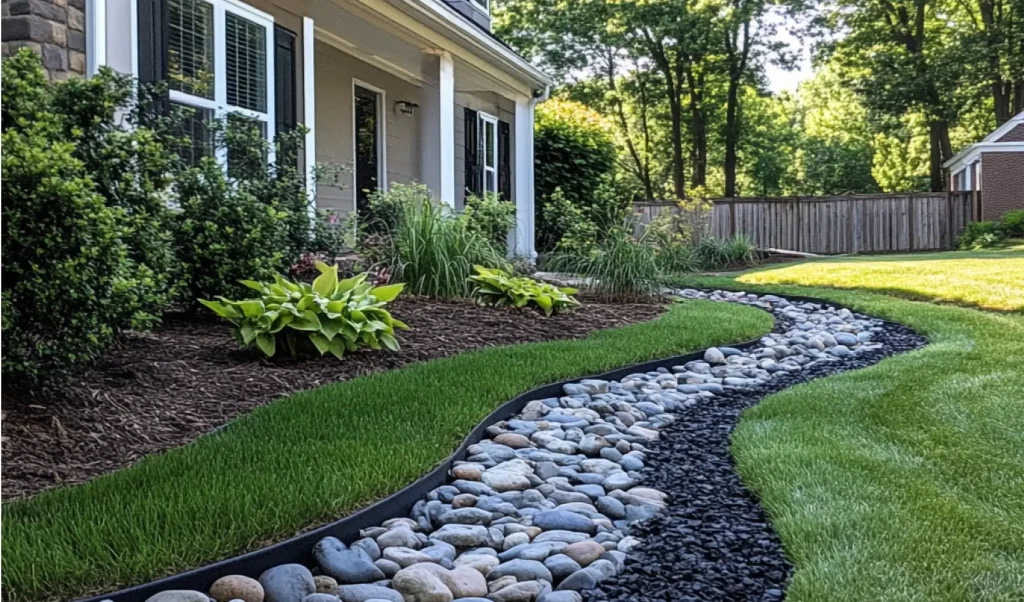
A French drain is a gravel-filled trench with a perforated pipe that redirects water away from your foundation. Here’s how to install one:
- Plan the Trench Path: Determine the lowest point in your yard where water should be directed. Plan the trench path from the problem area to this point.
- Dig the Trench: The trench should be about 8-12 inches wide and 18-24 inches deep. Ensure a consistent slope of 1 inch for every 8 feet.
- Add Gravel: Place a few inches of gravel at the bottom of the trench.
- Lay the Perforated Pipe: Position the pipe with holes facing downward to collect water efficiently.
- Cover with Gravel: Add more gravel over the pipe until it’s completely covered, leaving a few inches of space from the top.
- Cover with Soil or Sod: Finish the trench by covering it with soil or sod to blend with the yard.
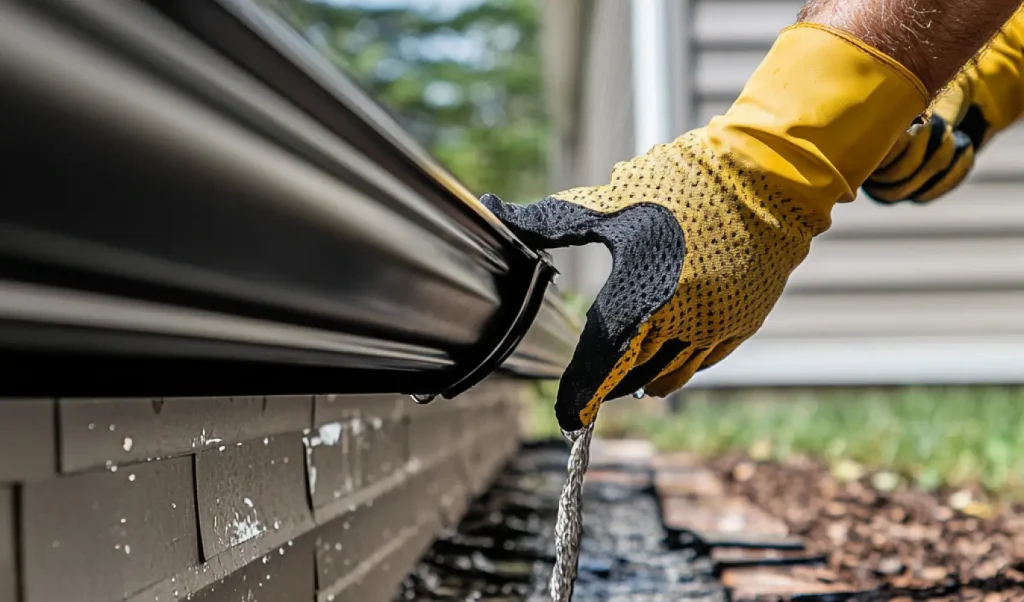
2. Extend Downspouts
If your downspouts are too short, extending them can help prevent water from pooling near the foundation. Use downspout extenders or splash blocks to channel water away.
3. Create a Swale
A swale is a shallow, sloped channel that redirects water flow. It’s ideal for large areas with poor drainage. To create a swale:
- Mark the Path: Use stakes and string to outline the path where water naturally flows.
- Dig the Swale: Remove soil to create a shallow trench with a gentle slope leading away from the foundation.
- Add Vegetation: Plant grass or other vegetation in the swale to help absorb water and prevent erosion.
4. Install a Sump Pump
In areas with high water tables or frequent flooding, a sump pump can be an effective solution. Installed in a sump pit, the pump collects excess water and pumps it away from the foundation.
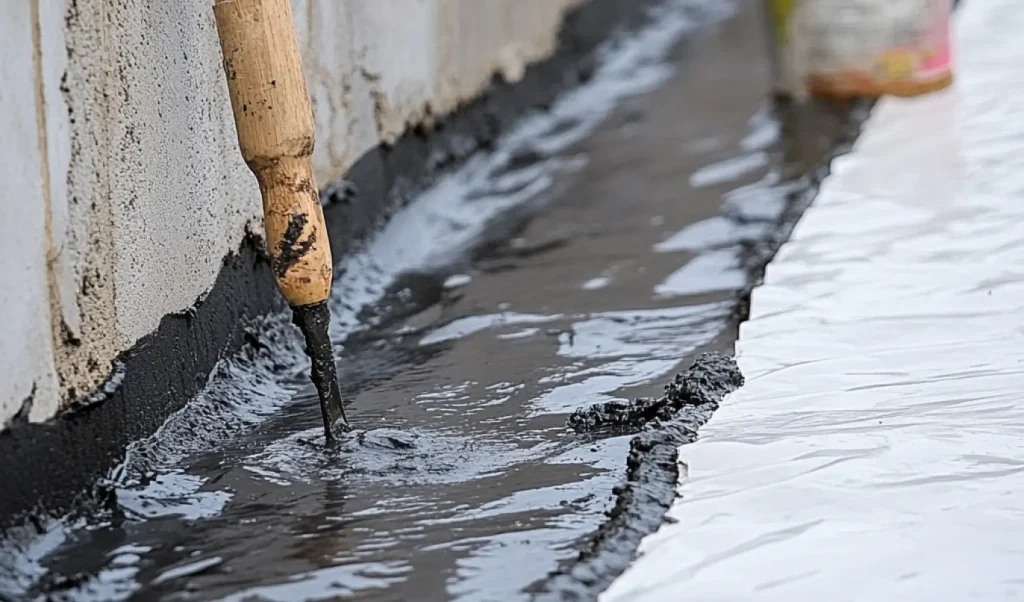
Foundation Waterproofing
In addition to improving drainage, waterproofing your foundation can provide extra protection against water infiltration. Consider these techniques:
Apply Waterproof Coating
A waterproof coating can be applied to the exterior foundation walls to prevent water from seeping through. This is especially useful for older homes with porous concrete or masonry foundations.
Install a Vapor Barrier
A vapor barrier is a plastic sheet installed on the interior side of foundation walls. It prevents moisture from entering the basement or crawl space, keeping the area dry.
Regular Maintenance for Optimal Drainage
Regular maintenance is key to ensuring your drainage system works effectively. Here are some tips:
- Clean Gutters Regularly: Remove leaves and debris to prevent clogs.
- Inspect Downspouts: Ensure they are securely attached and directing water away from the foundation.
- Check for Erosion: Monitor areas around the foundation for signs of soil erosion and address them promptly.
- Maintain Sump Pumps: Test sump pumps regularly to ensure they are functioning correctly.
Why Choose Lawn & Leaf Solutions for Your Drainage Needs?
When it comes to installing or improving foundation drainage, not all systems are created equal. At Lawn & Leaf Solutions, we stand out by delivering drainage solutions that combine durability, efficiency, and expert craftsmanship.
Unique Build Process
Our drainage systems are designed using a specialized build process that ensures long-lasting performance. From precise trenching to high-quality materials, every step is meticulously executed to provide a solution that works seamlessly for years to come.
Low-Maintenance Systems
Unlike standard systems that often require frequent upkeep, our drainage installations are engineered for minimal maintenance. Thanks to our innovative techniques and premium materials, you can enjoy peace of mind knowing your system will function effectively without constant attention.
Superior Quality Work
We pride ourselves on delivering results that exceed expectations. Whether it’s installing French drains, extending downspouts, or creating swales, our team is dedicated to providing top-notch service tailored to your property’s unique needs.
Conclusion
Proper drainage around your foundation is essential for protecting your home from water damage and foundation issues. By assessing your current drainage system and implementing improvements like French drains, downspout extensions, and waterproofing techniques, you can safeguard your home’s structural integrity for years to come. Regular maintenance will ensure your drainage system remains effective, providing peace of mind and preventing costly repairs.
For a drainage solution that lasts, trust Lawn & Leaf Solutions. Our expert team will provide a system designed to protect your home while requiring little to no maintenance. Contact us today for a consultation and experience the difference of unparalleled quality and care.