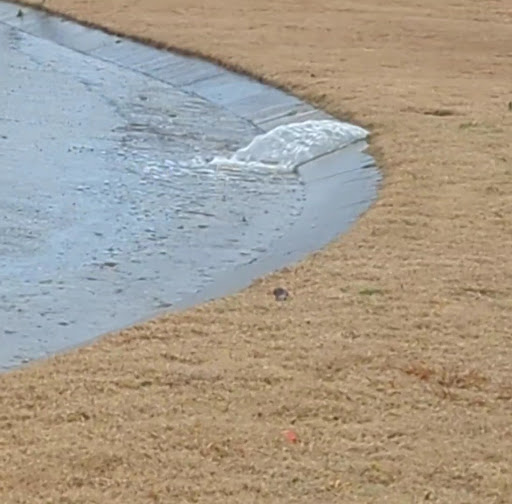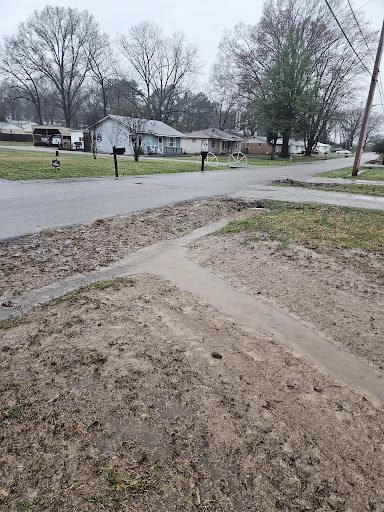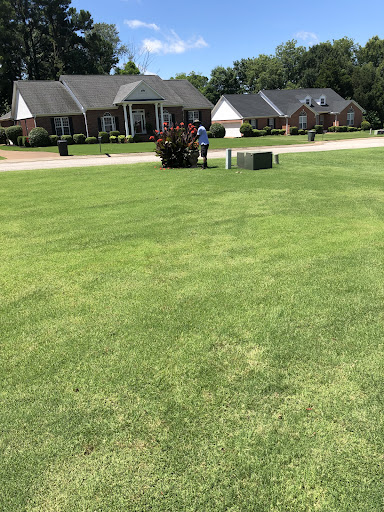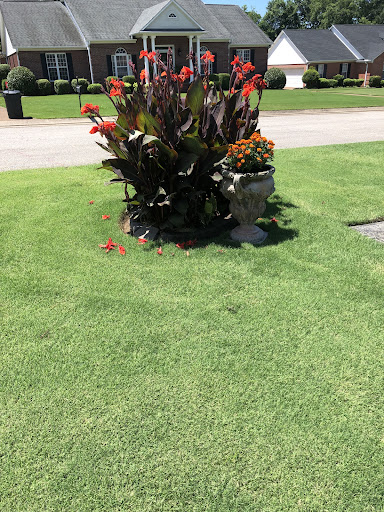
If you have standing water anywhere near your home or business, trouble spots that never dry and grass won’t grow, washouts where your downspouts dump water, or worse yet you’ve noticed that your crawlspace or basement is taking on water. The fix can sometimes be as simple as capturing your roof runoff, then discharge it to daylight at least 20 feet away.
We install underground downspout drain systems that carry water away from your home’s foundation and yard on purpose. We don’t just add one of those flex drains from the big box stores. The pipe we use is constructed of an all virgin material that won’t collapse the first time you drive over it with your lawn mower.
If you’re wanting it done right the first time. You should put your trust in someone with the knowledge to design and construct a system that will last a life time so you’re not revisiting the project just a couple years later because the pipe has filled with shingle gravel or roots from nearby shrubs or trees.
Your gutters already collect the water. The job is to capture it at the downspout and not let it go until we discharge it to daylight in a safe location. That is the whole point of roof runoff drainage.
Here is what that actually means in the real world.
What a proper downspout system includes
A buried downspout is only as good as its weak points. We build around the predictable failure points.
We keep water contained at the house. No splashing, no staining, no erosion at the foundation.
We build for slope and velocity. The line drains down after a rain instead of sitting full.
We give roof grit a dedicated place to settle. Not inside the pipe where you cannot see it.
We finish the discharge so turf cannot seal it over. We install pop up emitters with turf restrictor plates so grass cannot grow over the outlet and force water to back up toward the house.
We keep the system serviceable. If you cannot access it without digging, it is not finished.
Two common mistakes
1. A basin or grate set under the downspout
This is the one that looks good in a product photo and performs poorly in a real downpour.
In theory, water drops into the grate and transitions into the buried line.
In practice, the water splashes out, stains siding, saturates the same foundation zone you are trying to dry out, and starts feeding mold and mildew growth on the exterior and sometimes inside the structure.
If you want the water gone, you have to connect to the downspout and seal that connection.
2. Perforated pipe used for roof runoff
Perforated pipe belongs in a French drain where you are collecting groundwater.
Roof runoff is the opposite. You are trying to move it away.
If roof water is lost into the soil right next to the house, you just paid to keep the foundation wet. This is never a good idea.
Why distance matters
People ask how far the line should run.
It is not a magical number, but it does have a minimum.
We like at least 20 feet because it gets the discharge out of the foundation zone and usually gives us more fall. The farther you go, the more drop you typically gain, and that helps the line drain down after a rain.
There is also a real issue called capillary action. Capillary action is when saturated soil wicks moisture underground in any direction from the source. That is why we recommend at least a 20 foot discharge.
If the site allows it, we always want to discharge as far away as possible.
Roof runoff drainage reality check
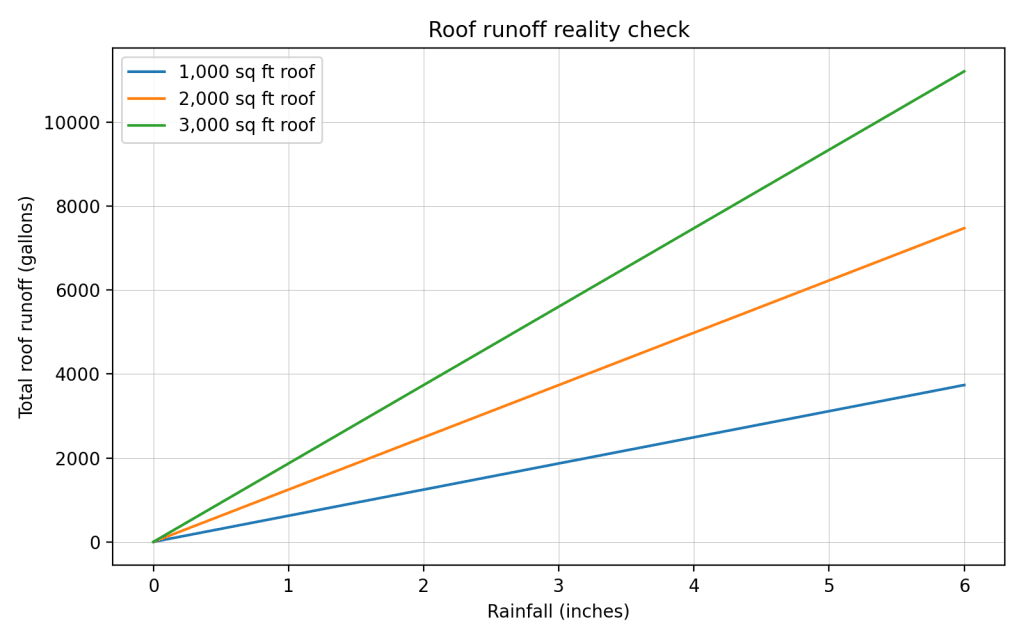
Here’s the part most people underestimate: roofs move a lot of water, fast.
One inch of rain on 1,000 square feet of roof is about 623 gallons. At 2 inches, you’re around 1,246 gallons. At 5 inches, you’re over 3,100 gallons. Now split that by your downspouts and you can see why a “close enough” setup fails. This is why we build for slope, keep the water contained at the house, and discharge past the 20ft mark.
How we build it
1. We capture roof runoff at the downspout and keep it contained
This is where most bad systems start.
If water is allowed to splash or spill at the house, you get staining, erosion, and chronic saturation right where your initial problem was likely occurring.
We use a downspout connection that keeps water contained and also provides a service point. This gives you a place to flush the line and inspect it without digging.
2. We install an outlet that turf cannot bury
We like to install pop ups, but not the typical models you will find at the big box stores.
We install pop up emitters with turf restrictor plates. The plate prevents grass from growing over the top of the pop up and sealing the outlet. When the outlet stays open and visible, the system can keep daylighting and you do not end up with water backing up at the downspout.
We also set the pop up at dirt level, not high in the blades where a mower can catch it.
3. We keep the pipe flat with steady fall
A buried downspout system should have at least 1 percent slope. That is the minimum measurable fall from the downspout to daylight.
That 1 percent makes a big difference when the line drains down after a rain event. It helps keep roof grit moving through the pipe and into a sediment trap where it belongs.
A clean, flat bottom trench matters more than most people realize. It is common to see crews run a trencher and drop the pipe in immediately without grading the trench bottom flat. Without a clean, properly graded base, the pipe ends up with high and low spots.
Then you’ll often see dirt thrown right on top of the pipe without securing the pipe to the bottom of the trench. If the pipe gets lifted as backfill goes in, you’ve just created even more highs and lows in the line. That always leads to lost performance later.
4. We give shingle gravel and debris a place to go besides the pipe
Over time, shingle roofs shed grit. That grit is heavy. It settles when flow slows, especially in low slope lines.
So we install inline sediment traps or distribution boxes with enough sump space to collect debris and shingle gravel. That way, if life happens and you miss a cleaning, the material is still collecting in the trap, not loading up the pipe.
We also set the trap on its own bed of drainage rock, so any water left behind can drain away after a rain event. Most contractors skip this because it adds labor.
5. We keep fittings directional and tape connections correctly
When lines merge, we want the water to keep moving in the direction it is already going.
That is why we use wye fittings and avoid tee fittings. A tee causes an abrupt collision and you lose velocity.
We prefer solid runs from the downspout to the sediment trap and from the trap to discharge. When we do have to connect pipe, we use external couplers, and we tape the joints with a super sticky, super stretchy 2 inch vinyl tile tape. That helps keep roots out and helps prevent leaks that can cause erosion and voids.
Sidewalks and patios
Running under a sidewalk may seem like no big deal until the sidewalk cracks, or worse, caves in right where the pipe crosses underneath.
That’s why we sleeve under sidewalks with Schedule 40 PVC and pack the soil back in tight around it.
And here’s the part most installers miss. It’s easy to dip under a walk and then come back up too quickly on the far side. That creates a low spot under the sidewalk that holds water and loses performance.
The goal is simple: stay at a consistent depth under the walkway and maintain fall until you can daylight farther downhill.
Materials matter
Not all corrugated pipe is the same.
Cheap extension pipe is built to ship and sell as a convenience item. It is thin, it turns brittle, and the interior ridges are often exaggerated. Those ridges act like speed bumps that catch roof grit and debris.
We use heavy duty corrugated pipe made from all virgin material, with a lower corrugation profile that is less likely to hold debris. That virgin material also holds up through seasonal soil movement and normal yard traffic much better than black agricultural pipe made from recycled materials.
Maintenance that stays simple
A well built system still needs simple upkeep. Any home with trees and a shingle roof will produce debris that has to be removed somewhere.
That is why we recommend:
Checking the leaf filter during heavy leaf drop
Opening the sediment trap as needed and vacuuming it out
Confirming the pop up is visible and the opening is fully clear
And that’s it. If you can access the system without digging, routine upkeep becomes a quick habit instead of a project.
FAQ: buried downspout drainage
How far should an underground downspout drain system run
At least 20 feet. Farther is better, especially if that gets you past the grade break.
Can you discharge closer if I do not have room
Sometimes you have to. When space is limited, we focus on steady fall and a discharge that stays visible and keeps daylighting.
I like the idea of putting a catch basin under the downspout to catch the water. Is this something that you recommend?
No. We connect directly to the downspout so water stays contained and does not splash at the foundation.
Why do you use a pop up with a turf restrictor plate
Grass will grow over a standard pop up or a small end grate. The turf restrictor plate keeps the outlet open and visible so the system can keep discharging.
What is the sediment trap or D box for
Shingle grit and heavy debris need a place to settle that you can access. The trap keeps that material out of the pipe and makes cleanouts quick.
How often do I need to clean it
Check the leaf filter during heavy leaf drop and after big storms. Open the sediment trap when it collects grit. Most homes only need a quick check a few times per year.
Can you run the line under a sidewalk or patio
Yes. The key is maintaining fall and not creating a low spot under the walkway. We sleeve under walks with Schedule 40 PVC.
What about freezing in winter
A line that drains down after a rain is much less likely to freeze. We build for fall, venting, and an outlet setup that does not hold much water.
Can roots get into the pipe
Roots look for joints and gaps. That is why we prefer one piece runs when possible and we tape joints when we have to connect.